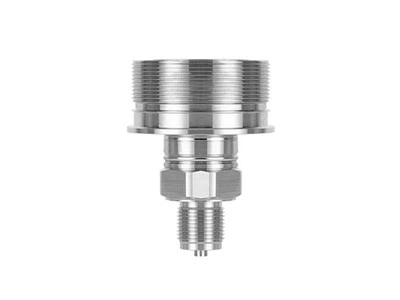
Can an ex proof pressure sensor be used in glass manufacturing?
In the dynamic and intricate world of glass manufacturing, precision and safety are of utmost importance. As a supplier of ex proof pressure sensors, I am often asked whether our products can be effectively utilized in this demanding industry. In this blog post, I will delve into the technical aspects, potential benefits, and challenges of using ex proof pressure sensors in glass manufacturing.
Understanding Ex Proof Pressure Sensors
Ex proof pressure sensors, also known as explosion-proof pressure sensors, are designed to operate safely in hazardous environments where there is a risk of explosion due to the presence of flammable gases, vapors, or dust. These sensors are built with special features and materials to prevent the ignition of the surrounding explosive atmosphere. They are typically certified to meet specific safety standards, such as ATEX, IECEx, or UL, which ensure their reliability and compliance with international safety regulations.
Our company offers a range of ex proof pressure sensors, including the SMP131-TLN Gauge Pressure Transmitter, SMP131-TLD(H) Absolute Pressure Transmitter, and SMP131-TSD-S Gauge Pressure Transmitter. These sensors are known for their high accuracy, reliability, and durability, making them suitable for a wide range of industrial applications.
The Glass Manufacturing Process
Before discussing the suitability of ex proof pressure sensors in glass manufacturing, it is essential to understand the key steps involved in the glass manufacturing process. The process typically begins with the melting of raw materials, such as sand, soda ash, and limestone, in a furnace at high temperatures (usually around 1500°C to 1600°C). The molten glass is then refined to remove impurities and achieve the desired chemical composition and properties.
After refining, the molten glass is formed into the desired shape using various techniques, such as pressing, blowing, or rolling. The formed glass is then annealed to relieve internal stresses and improve its strength and durability. Finally, the glass is inspected, cut, and finished to meet the specific requirements of the end-user.
Potential Applications of Ex Proof Pressure Sensors in Glass Manufacturing
Ex proof pressure sensors can play a crucial role in several stages of the glass manufacturing process, providing accurate and reliable pressure measurements to ensure the safety and efficiency of the operations. Here are some potential applications:
Furnace Pressure Monitoring
In the melting stage, maintaining the correct pressure inside the furnace is critical for controlling the melting process and ensuring the quality of the molten glass. Ex proof pressure sensors can be used to monitor the pressure in the furnace, providing real-time data to the operators. This allows them to adjust the combustion process and maintain the optimal pressure conditions, which helps to prevent overheating, reduce energy consumption, and improve the overall efficiency of the furnace.
Gas Supply Systems
Glass manufacturing often involves the use of flammable gases, such as natural gas or propane, for heating the furnace. Ex proof pressure sensors can be installed in the gas supply systems to monitor the pressure of the gases. This helps to detect any leaks or abnormal pressure changes, which could pose a safety hazard. By providing early warning of potential problems, the sensors allow the operators to take appropriate measures to prevent accidents and ensure the safety of the personnel and equipment.
Forming and Blowing Processes
During the forming and blowing processes, precise pressure control is essential for achieving the desired shape and dimensions of the glass products. Ex proof pressure sensors can be used to monitor and control the pressure in the forming and blowing equipment, such as blowers and presses. This ensures that the glass is formed and blown with the correct pressure, resulting in high-quality products with consistent dimensions and properties.
Annealing Ovens
Annealing is a critical step in the glass manufacturing process, as it helps to relieve internal stresses and improve the strength and durability of the glass. Ex proof pressure sensors can be used to monitor the pressure inside the annealing ovens, ensuring that the correct pressure conditions are maintained throughout the annealing process. This helps to prevent the formation of cracks and other defects in the glass, resulting in higher-quality products.
Challenges and Considerations
While ex proof pressure sensors offer significant benefits in glass manufacturing, there are also some challenges and considerations that need to be taken into account. Here are some of the key factors:


High Temperatures
Glass manufacturing involves high temperatures, especially in the melting and annealing stages. Ex proof pressure sensors need to be able to withstand these high temperatures without losing their accuracy or reliability. Special materials and designs are required to ensure that the sensors can operate safely and effectively in these extreme conditions.
Corrosive Environments
The glass manufacturing process often involves the use of corrosive chemicals and gases, which can damage the pressure sensors. Ex proof pressure sensors need to be made of materials that are resistant to corrosion, such as stainless steel or ceramic. Additionally, proper protection and maintenance are required to ensure the long-term reliability of the sensors.
Vibration and Shock
The glass manufacturing equipment, such as furnaces and presses, can generate significant vibration and shock. Ex proof pressure sensors need to be designed to withstand these mechanical stresses without affecting their performance. Special mounting and damping techniques may be required to ensure the stability and accuracy of the sensors.
Conclusion
In conclusion, ex proof pressure sensors can be effectively used in glass manufacturing to improve safety, efficiency, and product quality. By providing accurate and reliable pressure measurements, these sensors help to monitor and control the various processes involved in glass manufacturing, ensuring that the operations are carried out safely and efficiently.
However, it is important to choose the right ex proof pressure sensors for the specific applications and to ensure that they are installed and maintained correctly. Our company offers a wide range of ex proof pressure sensors that are designed to meet the demanding requirements of the glass manufacturing industry. If you are interested in learning more about our products or have any questions about using ex proof pressure sensors in glass manufacturing, please do not hesitate to contact us. We would be happy to discuss your specific needs and provide you with the best solutions.
References
- [List any relevant industry standards, research papers, or technical documents here]