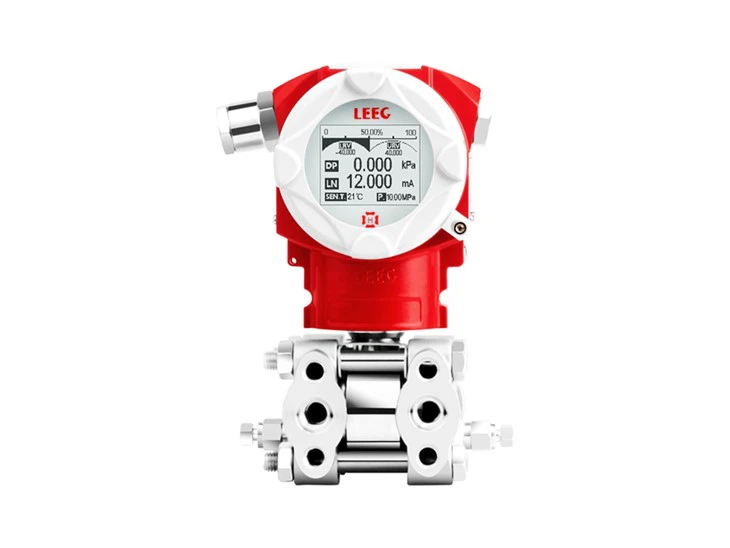
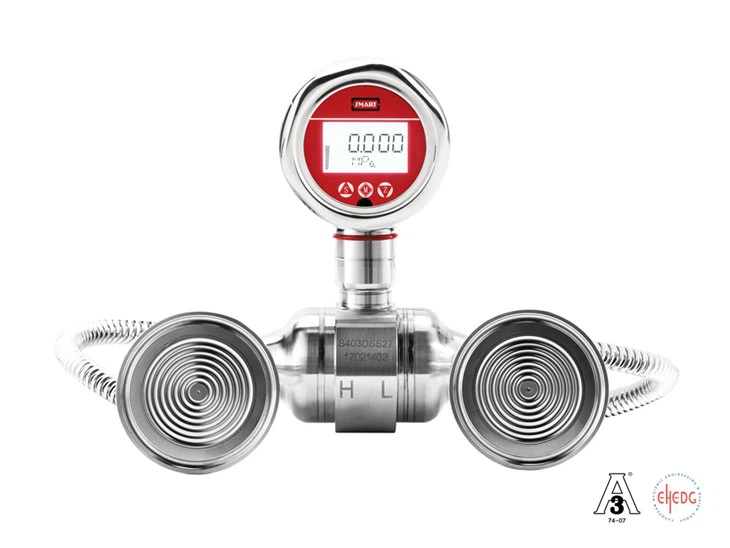
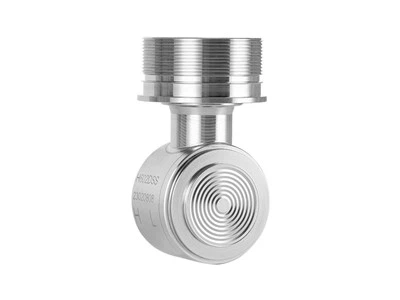
In industrial applications, many users focus primarily on parameters such as measuring range, accuracy, and output signals when selecting a pressure transmitter, while overlooking the special requirements that certain process media impose on wetted materials and manufacturing processes. In reality, for demanding applications involving oxygen, hydrogen, hydrogen peroxide, chlorine, acetylene, and lithium battery production, selecting the proper wetted material alone is often not sufficient. Additional process treatments such as oxygen cleaning, gold-plated diaphragms, copper- and zinc-free construction, and inert fill fluids may be required to ensure safe operation and long-term measurement reliability.
Why Do Pressure Transmitters Require Oxygen Cleaning for Strong Oxidizing Media?
For applications involving oxygen, liquid oxygen (LOX), high-pressure oxygen, and high-purity oxygen, all wetted parts of the pressure transmitter must undergo strict oil-free cleaning and degreasing procedures. Residual oils, greases, or organic contaminants can react violently in oxygen-rich environments, potentially causing combustion or even explosions.
In addition to oxygen service, oxygen cleaning is commonly required for other strong oxidizing media, including liquid chlorine, chlorine gas, nitrous oxide, high-concentration hydrogen peroxide, potassium permanganate, and ozone. Furthermore, in semiconductor and electronics industries, high-purity gases such as hydrogen, hydrogen fluoride, silane, and ammonia require extremely high cleanliness standards, making oxygen cleaning and contamination control essential.
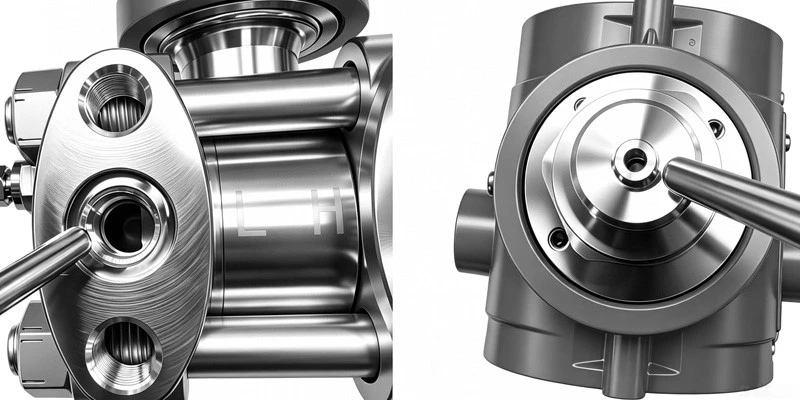
Why Are Gold-Plated Diaphragms Used in High-Pressure Hydrogen Applications?
Hydrogen molecules have an exceptional ability to permeate metallic materials. Under high-pressure and high-temperature conditions, hydrogen can penetrate diaphragm materials and cause hydrogen embrittlement, negatively affecting the service life and stability of pressure transmitters.
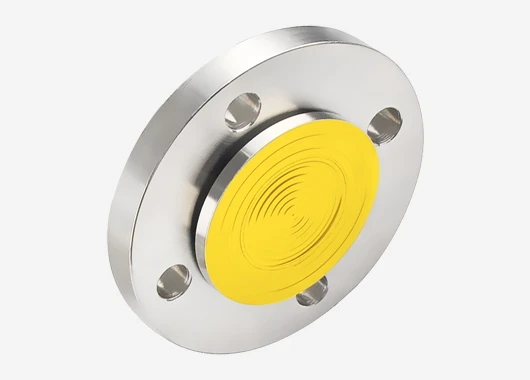
For this reason, gold-plated isolation diaphragms are commonly used in hydrogen production systems, hydrogenation units, hydrogen storage facilities, and hydrogen refueling stations. The gold layer significantly reduces hydrogen permeation, improving diaphragm durability and ensuring long-term measurement stability in hydrogen service applications.

The sensor diaphragm is gold-plated
What Are the Advantages of PTFE-Coated Pressure Transmitters for Viscous Media?
When measuring viscous media such as resins, adhesives, sludge, slurries, and certain food and chemical products, process material often adheres to the diaphragm surface. This buildup can cause slower response times and reduced measurement accuracy.
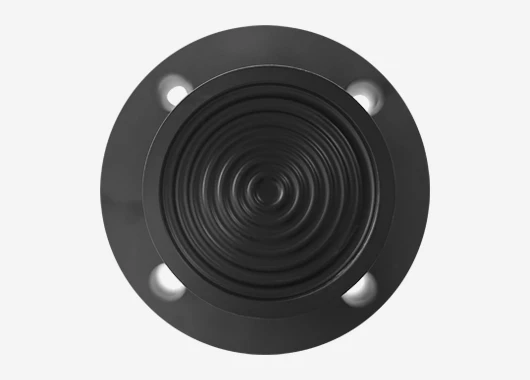
To address these challenges, PTFE (Polytetrafluoroethylene) coatings can be applied to the diaphragm surface. PTFE provides excellent non-stick and corrosion-resistant properties, helping to minimize material buildup, improve measurement reliability, and reduce maintenance frequency.
Why Are Diamond-Like Carbon (DLC) Coatings Recommended for Abrasive Media?
Many industries, including mining, metallurgy, coal chemical processing, and battery material manufacturing, handle media containing large quantities of solid particles. Examples include mineral slurries, coal powders, cement slurries, silica slurries, and lithium battery electrode slurries.
Continuous particle erosion can cause severe wear on isolation diaphragms and significantly reduce transmitter lifespan. In these applications, Diamond-Like Carbon (DLC) coatings can be applied to increase surface hardness and wear resistance, greatly improving protection against abrasive damage.

Which Media Require Copper-Free and Zinc-Free Construction?
Certain process media require all wetted parts to be free of copper and zinc-containing materials.
In ammonia service, including ammonia water, liquid ammonia, and ammonia gas, copper can react with ammonia and accelerate corrosion, increasing the risk of leakage. Acetylene service is even more critical, as copper can react with acetylene to form copper acetylide, an extremely unstable explosive compound that may detonate under minor vibration or impact.
Additionally, oxygen, hydrogen sulfide, ethylene oxide, phosgene, and high-concentration hydrogen peroxide applications often require copper-free and zinc-free construction. In hydrogen peroxide service, copper and zinc can catalyze rapid decomposition, generating oxygen and heat, which may create significant safety hazards.
The lithium battery industry also increasingly specifies copper-free and zinc-free requirements. The primary reason is to prevent trace metal contamination, which can promote dendrite formation during battery charging cycles, potentially leading to separator damage, internal short circuits, thermal runaway, and fire hazards.
When Does a Diaphragm Seal Pressure Transmitter Require an Inert Fill Fluid?
For diaphragm seal pressure transmitters, the selection of fill fluid is critical to long-term performance and chemical compatibility.
When process media are strongly oxidizing, highly corrosive, or incompatible with conventional silicone oils, inert fill fluids are generally required. Typical applications include hydrogen peroxide, sodium hypochlorite, bleach solutions, chlorine gas, liquid chlorine, wet chlorine, and concentrated nitric acid.
Similarly, high-pressure oxygen, liquid oxygen, and fluorine-containing chemicals such as hydrofluoric acid, fluoroboric acid, boron trifluoride, and other fluoride-containing media often require specialized inert fill fluids. In many cases, perfluoropolyether (PFPE) fill fluids are selected to ensure long-term reliability and chemical stability of the diaphragm seal system.
Summary: Selecting the Right Special Process Treatment for Pressure Transmitters
Pressure transmitter selection involves much more than choosing the appropriate measuring range and accuracy. Equally important is ensuring compatibility between the instrument and the process medium. For challenging applications involving oxygen, hydrogen, hydrogen peroxide, chlorine, acetylene, and lithium battery materials, special process treatments such as oxygen cleaning, gold-plated diaphragms, PTFE coatings, DLC coatings, copper-free and zinc-free construction, and inert fill fluids can be critical to system safety and performance.
Choosing the proper special process configuration often has a greater impact on long-term reliability than selecting a higher accuracy class transmitter. Correct application engineering ensures safe, stable, and dependable operation throughout the life of the instrument.