How to Select the Right Supplier, What Types Are Available, and How They Help You Stand Out in the Market
In industrial measurement, standard products can only meet part of the demand. More and more companies realize that OEM pressure transmitters not only support special working conditions but also play a decisive role in brand building and market competitiveness.
This article helps you quickly understand the essentials and identify the right OEM pressure transmitter manufacturer.
OEM Pressure Transmitter
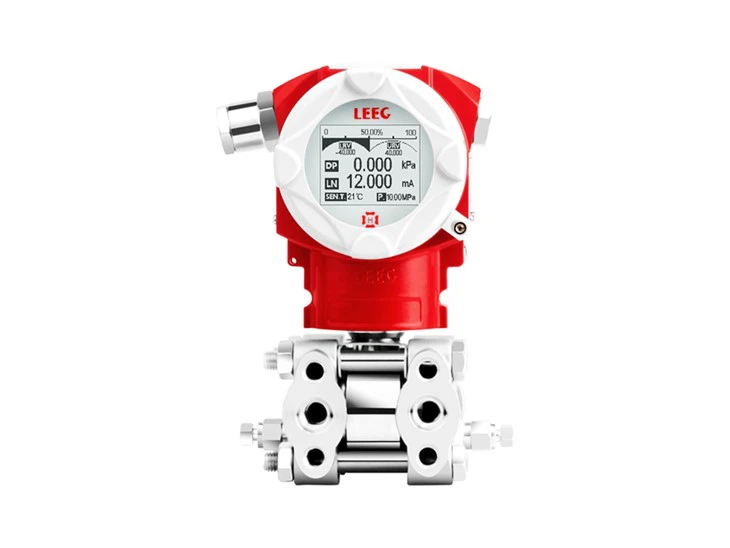
An OEM pressure transmitter focuses on customized appearance, labeling, and brand identity, while maintaining flexible performance options. It's suitable for most standard pressure measurement applications.
Typical customization options:
Housing color
Logo, label, and nameplate design
Packaging design
Standard pressure ranges
Output signal options (4–20 mA, 0–5 V, RS485, HART, Profibus, etc.)
Standard material options (aluminum alloy, stainless steel, 316L diaphragm, etc.)
Brands aiming to build market identity, expand product lines quickly, or strengthen brand consistency.
The value of OEM pressure transmitters is that your product truly reflects your company's identity.


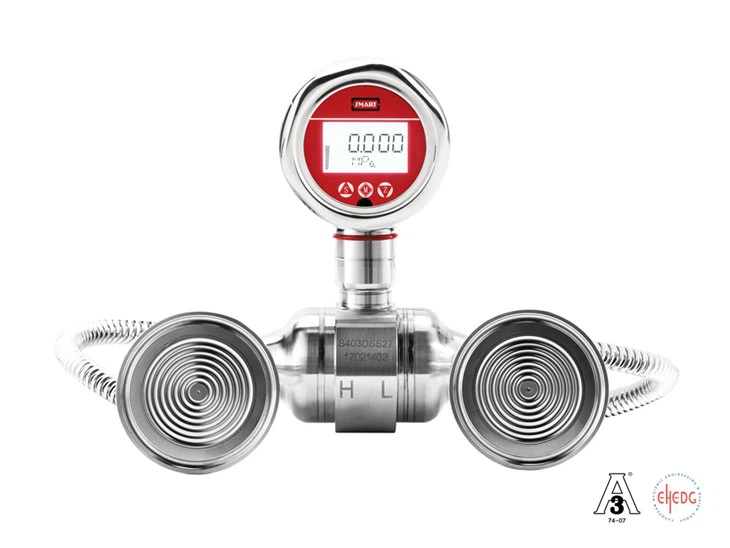
OEM Differential Pressure Transmitter
Differential pressure transmitters are used in more demanding applications with higher requirements for accuracy and long-term stability, such as:
Filter monitoring
HVAC cleanroom monitoring
Pipeline flow differential pressure
Tank level measurement
For DP transmitters, OEM is mainly about performance-not appearance:
Ultra-low ranges (e.g., 0–200 Pa)
Enhanced temperature compensation
Better long-term stability
Gas/liquid compatibility
Anti-clogging structures or special diaphragm materials (Hastelloy, Monel, gold-plated, etc.)
DP transmitters are a classic example of "the simpler it looks, the easier it is to get wrong."
A manufacturer that can deliver reliable OEM DP transmitters is rarely weak in core technology.


OEM Multivariable Transmitter
Multivariable transmitters are a clear industry trend-especially for energy efficiency, smart plants, and automation upgrades.
They can measure differential pressure + static pressure + temperature simultaneously, and support advanced communication protocols.
Typical features include:
Multi-point temperature compensation and calibration for higher stability and accuracy
Digital communication (Modbus, HART, Profibus PA, etc.)
Density and flow calculation capability
High accuracy (0.075%FS or higher)
OEM-customizable LCD interface and software UI
Complex applications requiring cost-effective measurement

Why Is It Worth Doing OEM for Pressure Transmitters?
Customization isn't about making the product "look nice." The real purpose is to fit the application, boost competitiveness, and strengthen brand value.
Precisely match your target market
Clearly differentiate yourself from competitors
Turn the product into your asset-not a copy of someone else's
More flexible service and faster iterations
Stronger customer loyalty in the long term
What Kind of Company Should You Choose for an OEM Pressure Transmitter?
Let's be honest-OEM is not just "putting your logo on it." You don't need a company that can do OEM; you need one that can do OEM well.
When screening suppliers, focus on the following points:
* Independent R&D Capability (not just an assembly plant)
OEM projects often evolve toward ODM-parameter customization, structural adjustments, electronic unit optimization.
A manufacturer without R&D capability will get stuck as soon as non-standard requirements appear.
* Mature Core Pressure Sensor Technology
Key competencies include:
Sensor design
Temperature compensation algorithms
High-precision calibration capability
If the core isn't solid, no amount of cosmetic customization will save you.
* Ability to Support Small Batches
The market changes fast, and product iterations are quick.
You need a partner willing to grow with you-not one interested only in large orders.
* Strong Quality Control
If an OEM product has quality issues, the impact falls on your brand, not the manufacturer's.
A reliable supplier must provide:
Full calibration process
High/low-temperature compensation
Pressure cycling & aging tests
Complete production traceability
* Fast Response Speed
In foreign trade, you know well that customers won't wait weeks for an answer.
A qualified OEM partner must ensure quick communication, quick technical evaluation, and quick prototyping.
If a supplier can give you confidence in these five areas, you're much less likely to make a bad choice.