pressure transmitter (also known as a pressure sensor) is a precision measuring instrument that converts pressure signals into standardized electrical signal outputs. Among various pressure measurement technologies, Ligent Instruments specializes in the R&D and production of high-performance pressure transmitters based on monocrystalline silicon piezoresistive principles. These products are renowned for their exceptional long-term stability, measurement consistency, and high accuracy, making them indispensable key components in industrial process control. To ensure data reliability, we recommend users establish standardized periodic maintenance and calibration procedures.
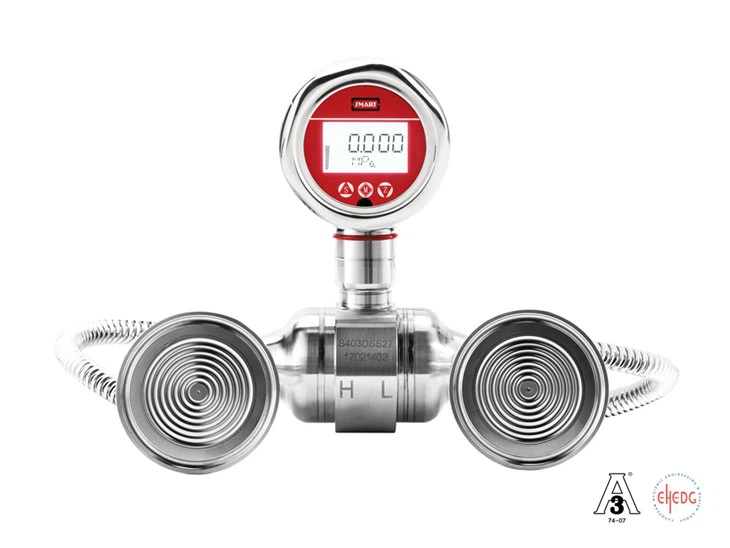
To meet the diverse needs of different industrial scenarios, Ligent Instruments offers a variety of product configurations, including multiple protection-grade housing materials, pressure ports of various specifications, and flexible analog output options. Our pressure transmitter product line has obtained numerous international certifications, including CE, CSA, and ROHS. Notably, they have achieved ATEX and IECEx certifications for explosion-proof applications and stringent 3A and EHEDG standards for hygiene-sensitive industries. These authoritative certifications fully demonstrate the international-level safety, reliability, and professionalism of our products.
Pressure Transmitters and Sensors
As a professional provider of pressure measurement solutions, Ligent Instruments develops and manufactures pressure transmitters and sensor series products widely used in industrial process control fields such as petrochemicals, food and pharmaceuticals, and papermaking. Our product line covers a range of 0.02bar to 400bar and offers multiple signal output options, including 4-20mA, 4-20mA+HART, 1-5VDC low power consumption, and Modbus RTU/RS485, meeting measurement requirements under various working conditions.To address safety requirements in special industrial environments, Ligent Instruments' pressure transmitters have obtained ATEX explosion-proof certification and Exd flameproof certification, ensuring safe and reliable operation in hazardous areas with flammable and explosive risks. We provide customized design services tailored to specific application scenarios, including special ranges, interface forms, and installation methods, delivering the most suitable measurement solutions for our customers. With a professional technical team and strict quality control system, Ligent Instruments is committed to providing high-precision, high-stability pressure measurement products for users across industries.


Differential Pressure Transmitter
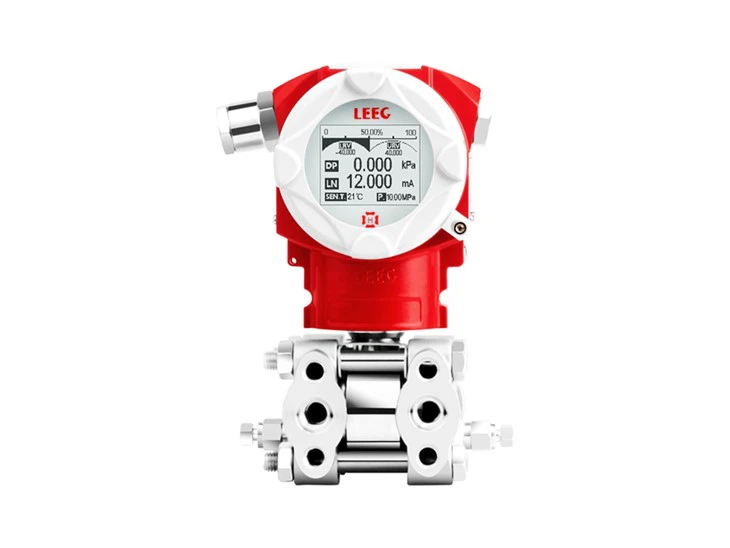
Ligent Instruments' differential pressure transmitter series sets a new benchmark for precision measurement in industrial process control with its outstanding micro-differential pressure measurement performance. Our differential pressure transmitters are particularly suitable for low-pressure measurements of air and gas media, with a minimum range as precise as 0.002bar and accuracy maintained at ±0.05%FS, providing reliable data support for process control in industries such as chemicals, natural gas, and petroleum.To address the specialized needs of different industries, Ligent Instruments has developed tailored product solutions:
•The SMP855-TST pressure transmitter features a specialized ceramic diaphragm design, specifically engineered for measuring highly corrosive media in the papermaking industry.
•The DMP305X and SMP858 industrial series smart differential pressure transmitters are equipped with advanced communication capabilities, supporting remote parameter configuration and real-time monitoring.
•All products undergo rigorous quality verification and play a critical role in energy management and quality control.
We continue to innovate, striving to provide customers with more precise and intelligent differential pressure measurement solutions.


Key Components of Pressure Transmitters and Sensors
1. Sensing Element: As the core component for pressure measurement, we use advanced monocrystalline silicon piezoresistive sensor chips. Manufactured using MEMS microfabrication processes, these chips exhibit excellent long-term stability and temperature characteristics, enabling precise conversion of pressure signals into electrical signals.
2. Measurement Circuit: Equipped with high-precision signal conditioning circuits, including temperature compensation and linearization modules, ensuring accuracy and stability of output signals across the full range. The circuit design complies with EMC standards and features strong anti-interference capabilities.
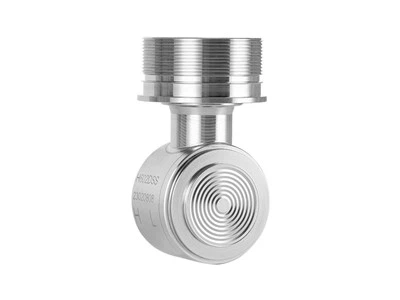
3. Process Connection Components: Multiple pressure port material options are available, including 316L stainless steel and Hastelloy, to accommodate different media and working conditions. Bellows or isolation diaphragm designs enable media-isolated measurement.
4. Housing Assembly: Constructed from aluminum alloy or stainless steel, with protection ratings up to IP67/IP68. Explosion-proof models feature ATEX-compliant flameproof housings for safe use in hazardous areas.
5. Electrical Interface: Standard configurations include multiple electrical connection methods, such as M12 connectors and cable outlets, supporting various signal output protocols like 4-20mA, HART, and Modbus.
6. Display and Operation Module (Optional): High-end models feature LCD displays and operation buttons for on-site parameter setting, unit switching, and diagnostic functions.
What Is Digital Pressure Transmitter Output?
•Digital pressure transmitter output refers to the technology that converts measured pressure values into digital signal outputs. Compared to traditional analog outputs (e.g., 4-20mA), digital output offers significant advantages, including strong anti-interference capability, higher transmission accuracy, and richer data content. Modern digital pressure transmitters commonly support multiple digital communication protocols, with mainstream forms including:HART protocol (digital communication superimposed on 4-20mA)
•Industrial fieldbuses (e.g., PROFIBUS PA/DP, Foundation Fieldbus)
•RS-485 interface (typically using Modbus RTU protocol)
•I²C and other digital bus protocols. Notably, I²C (Inter-Integrated Circuit), as a simple and efficient two-wire serial bus, is widely used in embedded systems and device-level communication due to its simplicity and cost-effectiveness.
In terms of functional features, digital output transmitters can transmit not only pressure values but also real-time device status, diagnostic information, and environmental parameters. Through bidirectional digital communication, users can remotely configure parameters, adjust ranges, and perform self-diagnostics. For system integration, digital output transmitters support networked setups, facilitating the construction of distributed measurement systems to meet the demands of Industrial IoT (IIoT) and smart factories. Ligent Instruments' digital pressure transmitter series offers multiple digital output solutions, including I²C, tailored to different application scenarios, ensuring reliable and precise pressure measurement in various industrial environments.