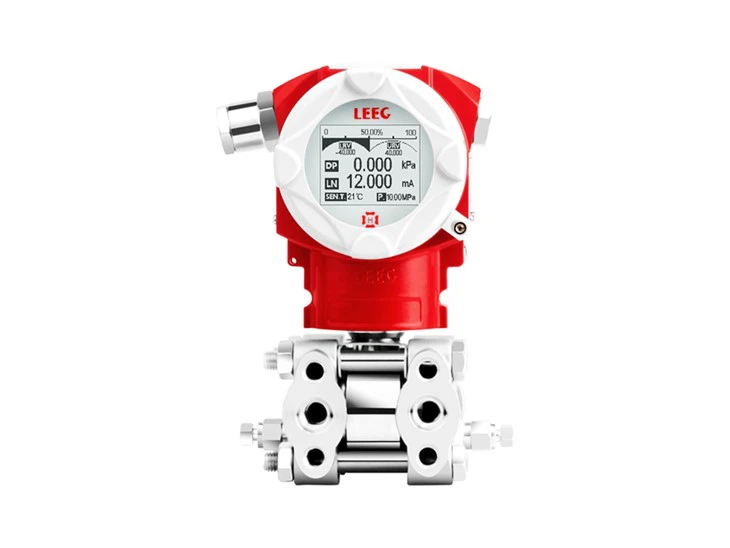
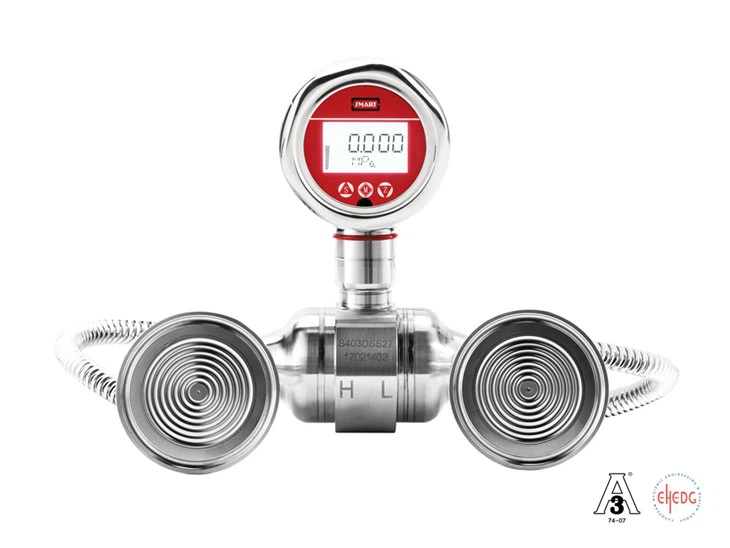
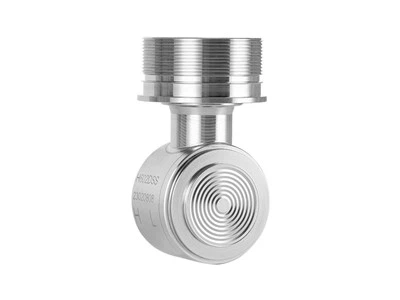
A pressure transducer is an industrial measurement device that converts pressure from liquids, gases, steam, or other media into a standardized electrical signal. It plays a critical role in process control, equipment protection, automation systems, and industrial monitoring.
As a professional pressure transducer manufacturer, LEEG Instruments provides reliable pressure measurement solutions for industries including oil & gas, water treatment, chemical processing, food & beverage, pharmaceuticals, marine engineering, and industrial automation.
Pressure Transducers
Pressure transducers are designed to measure gauge pressure, absolute pressure, or sealed gauge pressure in industrial processes. They convert pressure changes into electrical outputs such as 4-20mA, HART, RS485 Modbus, or voltage signals for integration with PLC and DCS systems.
Typical applications include:
- Hydraulic systems
- Air compressors
- Water supply systems
- Industrial machinery
- Process pipelines
- Pump and booster stations
LEEG pressure transducers feature high accuracy, long-term stability, excellent EMC performance, and robust construction for demanding industrial environments.


Differential Pressure Transducers
Differential pressure transducers measure the pressure difference between two process points. They are widely used for flow measurement, filter monitoring, liquid level measurement, and cleanroom pressure control.
Common applications include:
- Flow measurement with orifice plates
- Filter blockage monitoring
- HVAC systems
- Boiler systems
- Tank level measurement
- Dust collection systems
LEEG differential pressure transducers provide precise low-pressure and high-pressure differential measurement with excellent stability and reliability.


Submersible Pressure / Level Transducers
Submersible pressure and level transducers are designed for continuous liquid level measurement in tanks, wells, rivers, reservoirs, and wastewater treatment facilities.
By measuring hydrostatic pressure, the sensor accurately converts liquid level into an electrical signal for monitoring and control systems.
Typical applications include:
- Groundwater monitoring
- Water storage tanks
- Municipal water systems
- Wastewater treatment plants
- Irrigation systems
- Industrial process tanks
LEEG submersible level transducers offer corrosion-resistant construction, IP68 protection, and long-term stability for harsh environments.


How Does a Pressure Transducer Work?
A pressure transducer typically consists of three key components:
Pressure Sensing Element
The sensing element detects pressure changes from the process medium. Common technologies include:
- Piezoresistive sensors
- Monosilicon sensors
- Ceramic sensors
- Capacitive sensors
Signal Conditioning Circuit
The sensor signal is amplified, temperature compensated, and converted into a standardized output signal.
Process Connection
The process connection allows installation on pipelines, tanks, pressure vessels, and process equipment.
Common Output Signals
Modern pressure transducers support various output options:
- 4-20mA
- 0-10V
- 0.5-4.5V
- RS485 Modbus
- HART Protocol
- Wireless Communication
These outputs ensure compatibility with modern industrial automation systems.
Key Industries Using Pressure Transducers
Pressure transducers are widely used across numerous industries:
Oil & Gas
- Pipeline pressure monitoring
- Wellhead control
- Storage tank monitoring
Water & Wastewater
- Pump station monitoring
- Water distribution systems
- Treatment process control
Chemical Industry
- Reactor pressure monitoring
- Corrosive media measurement
- Process safety protection
Food & Beverage
- Hygienic process monitoring
- CIP/SIP systems
- Filling and packaging equipment
Marine & Shipbuilding
- Ballast water systems
- Engine monitoring
- Fuel management systems
How to Select the Right Pressure Transducer
When selecting a pressure transducer, consider:
Pressure Range
Choose a measurement range suitable for normal operating conditions.
Process Medium
Consider whether the medium is:
- Corrosive
- Viscous
- Hygienic
- High temperature
Accuracy Requirements
Available accuracy levels include:
- ±0.5%FS
- ±0.25%FS
- ±0.1%FS
Output Signal
Select the signal compatible with your control system.
Installation Environment
Evaluate:
- Ambient temperature
- Vibration
- Humidity
- Hazardous area requirements
Why Choose LEEG Pressure Transducers?
With more than 20 years of pressure measurement expertise, LEEG Instruments delivers high-performance pressure transducers for demanding industrial applications.
Advantages include:
- Advanced sensor technology
- High measurement accuracy
- Excellent long-term stability
- International certifications
- Custom OEM solutions
- Global application experience
LEEG products are trusted by customers worldwide for reliable pressure monitoring, process automation, and industrial control.
Frequently Asked Questions
What is the difference between a pressure sensor and a pressure transducer?
A pressure sensor detects pressure changes, while a pressure transducer converts those changes into a usable electrical output signal.
What output signal is most commonly used?
The 4-20mA signal remains the most common standard in industrial automation.
Can pressure transducers be used in hazardous areas?
Yes. Explosion-proof and intrinsically safe versions are available for oil & gas, chemical, and other hazardous environments.
How accurate are pressure transducers?
Depending on the model, accuracy can range from ±1%FS to ±0.75%FS or better.
LEEG Pressure Measurement Solutions
LEEG Instruments offers a complete portfolio of pressure transducers, differential pressure transducers, and submersible level transducers to support industrial automation, process control, and smart manufacturing applications worldwide.