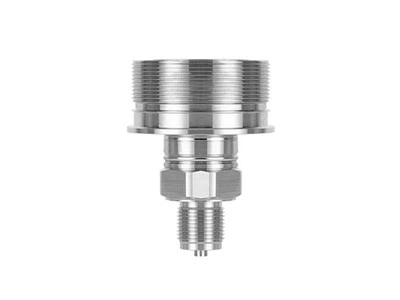
In the complex ecosystem of refrigeration systems, pressure switches play a crucial role in ensuring the safety, efficiency, and proper functioning of the equipment. As a dedicated pressure switch supplier, I've witnessed firsthand how these unassuming devices can make a significant difference in the performance of refrigeration systems. In this blog post, I'll delve into the inner workings of pressure switches in refrigeration systems, exploring their functions, types, and the importance of choosing the right one for your specific needs.
Understanding the Basics of a Pressure Switch
At its core, a pressure switch is a device that monitors the pressure within a refrigeration system and triggers an electrical signal when the pressure reaches a pre - set threshold. This signal can be used to control various components of the system, such as compressors, fans, or valves, to maintain optimal operating conditions.
The basic components of a pressure switch include a pressure sensing element, a set of electrical contacts, and an adjustment mechanism. The pressure sensing element, often a diaphragm or a bellows, responds to changes in pressure within the system. As the pressure increases or decreases, the sensing element moves, which in turn actuates the electrical contacts. These contacts can either open or close an electrical circuit, depending on the design of the switch and the desired response.
The adjustment mechanism allows the user to set the pressure at which the switch will activate. This is typically done using a screw or a dial that changes the tension on the sensing element or the position of the electrical contacts. By adjusting this setting, the pressure switch can be customized to meet the specific requirements of the refrigeration system.
How Pressure Switches Function in a Refrigeration System
In a refrigeration system, pressure switches serve several important functions. One of the primary functions is to protect the system from over - pressure or under - pressure conditions. For example, if the pressure in the system exceeds a safe level, the pressure switch can shut off the compressor to prevent damage to the equipment. Similarly, if the pressure drops below a certain point, the switch can activate an alarm or shut down the system to avoid issues such as refrigerant leaks or inefficient operation.


Let's take a closer look at how pressure switches work in different parts of a refrigeration system:
Compressor Protection
The compressor is the heart of a refrigeration system, and protecting it from damage is crucial. A high - pressure switch is typically installed on the discharge side of the compressor. As the compressor pumps refrigerant through the system, the pressure on the discharge side increases. If the pressure exceeds the pre - set limit of the high - pressure switch, the switch will open the electrical circuit, shutting off the compressor. This prevents the compressor from operating under excessive pressure, which could lead to mechanical failure, overheating, or refrigerant leakage.
On the other hand, a low - pressure switch is installed on the suction side of the compressor. If the pressure on the suction side drops too low, it could indicate a problem such as a refrigerant leak or a clogged filter. The low - pressure switch will detect this drop in pressure and shut off the compressor to prevent damage.
Evaporator and Condenser Fan Control
Pressure switches can also be used to control the operation of the evaporator and condenser fans. In a refrigeration system, the evaporator absorbs heat from the surrounding environment, while the condenser releases heat. The fans help to facilitate this heat transfer process.
A pressure switch can be used to turn on the evaporator fan when the pressure in the evaporator reaches a certain level. This ensures that the fan operates only when it is needed, saving energy and reducing wear and tear on the equipment. Similarly, a pressure switch can control the condenser fan, turning it on when the pressure in the condenser rises, indicating that the condenser needs to dissipate more heat.
Types of Pressure Switches in Refrigeration Systems
There are several types of pressure switches available for use in refrigeration systems, each with its own unique features and applications.
Mechanical Pressure Switches
Mechanical pressure switches are the most common type used in refrigeration systems. They are simple, reliable, and relatively inexpensive. These switches use a mechanical sensing element, such as a diaphragm or a bellows, to detect changes in pressure. When the pressure reaches the set point, the mechanical movement of the sensing element actuates the electrical contacts.
Mechanical pressure switches are available in a variety of configurations, including single - pole single - throw (SPST), single - pole double - throw (SPDT), and double - pole double - throw (DPDT). The choice of configuration depends on the specific requirements of the refrigeration system, such as the number of circuits that need to be controlled.
Electronic Pressure Switches
Electronic pressure switches are becoming increasingly popular in modern refrigeration systems. These switches use electronic sensors, such as strain gauges or piezoelectric sensors, to measure pressure. The sensor converts the pressure into an electrical signal, which is then processed by an electronic circuit.
Electronic pressure switches offer several advantages over mechanical switches. They are more accurate, have a faster response time, and can be easily programmed to meet specific requirements. They also often include additional features, such as adjustable hysteresis (the difference between the set point and the reset point), digital displays, and diagnostic capabilities.
Choosing the Right Pressure Switch for Your Refrigeration System
Selecting the right pressure switch for your refrigeration system is essential to ensure optimal performance and reliability. Here are some factors to consider when making your choice:
Pressure Range
The first step in choosing a pressure switch is to determine the pressure range that the switch needs to monitor. This will depend on the specific requirements of your refrigeration system, such as the operating pressure of the compressor, the evaporator, and the condenser. Make sure to choose a pressure switch with a pressure range that is appropriate for your system.
Switch Type
As discussed earlier, there are mechanical and electronic pressure switches available. Consider the advantages and disadvantages of each type and choose the one that best suits your needs. If you require high accuracy, fast response times, and additional features, an electronic pressure switch may be the better choice. However, if you are looking for a simple, reliable, and cost - effective solution, a mechanical pressure switch may be sufficient.
Electrical Rating
The electrical rating of the pressure switch is also an important consideration. Make sure that the switch can handle the electrical current and voltage requirements of your refrigeration system. This includes the rating of the contacts, which should be able to withstand the load without overheating or arcing.
Environmental Conditions
The environmental conditions in which the pressure switch will operate can also affect its performance. Consider factors such as temperature, humidity, and vibration. Choose a pressure switch that is designed to operate in the specific environmental conditions of your refrigeration system.
Our Pressure Switch Offerings
As a pressure switch supplier, we offer a wide range of high - quality pressure switches suitable for various refrigeration applications. Our PS858 - TSR - S Gauge Pressure Switch is a popular choice for many refrigeration systems. It is a mechanical pressure switch with a reliable diaphragm sensing element and adjustable set points. This switch is designed to provide accurate and consistent performance in a variety of operating conditions.
Another option is our PS131 - TSR Gauge Pressure Switch. This switch offers a compact design and high - quality construction, making it suitable for use in space - constrained applications. It is available in different pressure ranges and electrical configurations to meet the specific needs of your refrigeration system.
We also offer the PS858 - TSR - S Gauge Pressure Switch, which combines the reliability of a mechanical switch with the accuracy of an electronic sensor. This switch provides precise pressure monitoring and can be easily adjusted to meet the requirements of your system.
Contact Us for Your Pressure Switch Needs
If you are in the market for a pressure switch for your refrigeration system, we would be happy to assist you. Our team of experts can help you choose the right pressure switch for your specific needs and provide you with all the information you need to make an informed decision. Whether you are looking for a simple mechanical switch or a more advanced electronic switch, we have the products and the knowledge to meet your requirements.
Contact us today to discuss your pressure switch needs and start the procurement process. We look forward to working with you to ensure the optimal performance of your refrigeration system.
References
- ASHRAE Handbook - Refrigeration. American Society of Heating, Refrigerating and Air - Conditioning Engineers.
- Refrigeration and Air Conditioning Technology, 7th Edition. William C. Whitman, William M. Johnson, John Tomczyk, and Eugene Silberstein.