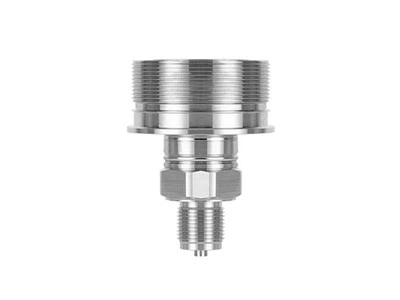
Hey there! As a supplier of hygienic pressure sensors, I often get asked this question: Can hygienic pressure sensors be repaired? Well, let's dive right into it and find out.
First off, let's understand what hygienic pressure sensors are. These sensors are specifically designed for applications where cleanliness and hygiene are of utmost importance. They're commonly used in industries like food and beverage, pharmaceuticals, and biotechnology. In these industries, any contamination can lead to serious consequences, so the sensors need to meet strict hygiene standards.
Now, back to the big question: Can they be repaired? The short answer is, it depends.
Factors Affecting Repairability
1. Type of Damage
The nature of the damage plays a huge role in determining if a sensor can be fixed. Minor issues like a loose connection or a damaged cable can often be repaired relatively easily. For example, if the cable that connects the sensor to the monitoring system has been cut or frayed, a technician can simply replace the cable. This is a straightforward fix that doesn't require a lot of time or resources.
On the other hand, more severe damage to the sensor's internal components can be a different story. If the sensing element itself is damaged, it might be more challenging to repair. The sensing element is the heart of the pressure sensor, and it's responsible for converting the pressure into an electrical signal. If this part is malfunctioning, it could be due to a variety of reasons, such as over - pressure, chemical exposure, or physical impact.
2. Sensor Design
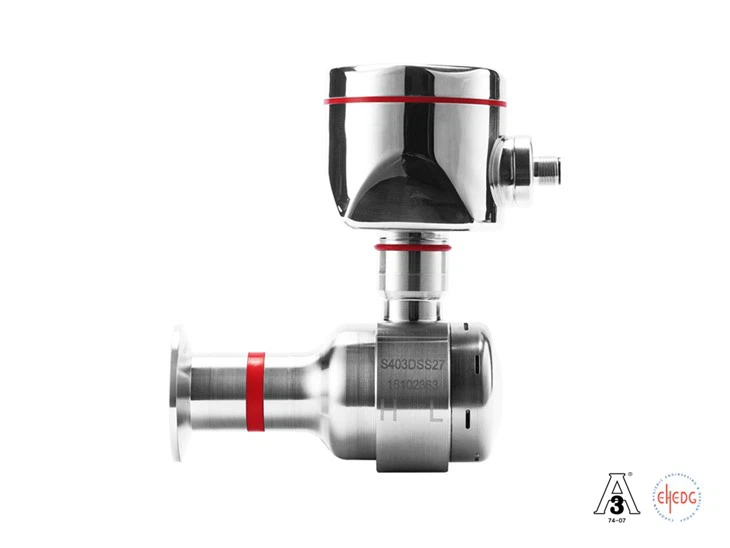
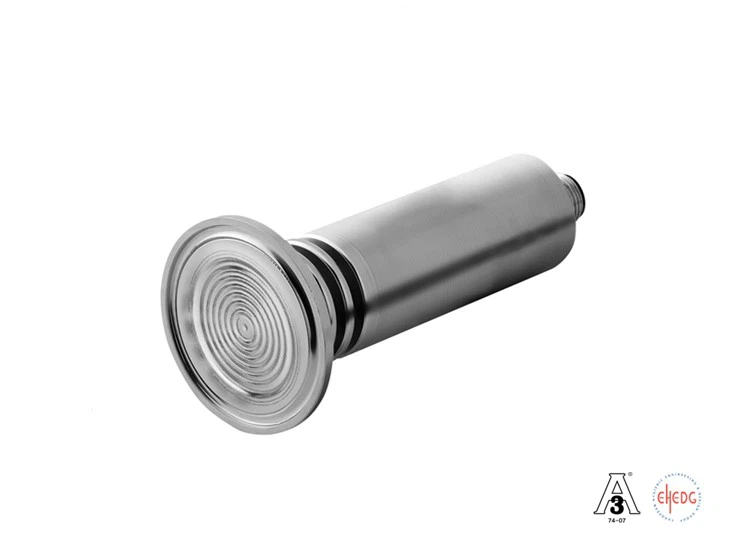
The design of the hygienic pressure sensor also impacts its repairability. Some sensors are designed with modular components, which means that individual parts can be easily removed and replaced. This makes the repair process much simpler. For instance, our SMP858 - TSH - S Gauge Pressure Transmitter is designed with a modular approach. If a particular module fails, we can quickly swap it out with a new one, minimizing downtime.
However, other sensors may have a more integrated design, where the components are tightly packed together. In these cases, it can be difficult to access and repair specific parts without causing further damage.
3. Age of the Sensor
The age of the sensor is another factor to consider. Older sensors may have parts that are no longer in production, making it difficult to find replacement components. Additionally, the technology used in older sensors may be outdated, and it might be more cost - effective to replace the entire sensor rather than trying to repair it.
The Repair Process
If a hygienic pressure sensor is deemed repairable, here's a general overview of the repair process:
1. Diagnosis
The first step is to diagnose the problem. Our technicians will use specialized testing equipment to measure the sensor's output and compare it to the expected values. They'll also visually inspect the sensor for any obvious signs of damage, such as cracks or corrosion.
2. Disassembly
Once the problem has been identified, the sensor is carefully disassembled. This requires a high level of precision, especially for sensors with complex designs. Our technicians are trained to handle these delicate components without causing any additional damage.
3. Replacement of Parts
If the diagnosis reveals that a particular part is faulty, it will be replaced with a new or refurbished part. We always use high - quality replacement parts to ensure the sensor's performance and reliability.
4. Reassembly and Testing
After the replacement parts have been installed, the sensor is reassembled. It is then thoroughly tested to make sure it is functioning correctly. We test the sensor under different pressure conditions to ensure that it provides accurate and consistent readings.
Cost - Benefit Analysis
When deciding whether to repair or replace a hygienic pressure sensor, a cost - benefit analysis is essential. Repairing a sensor can be a cost - effective option if the damage is minor and the repair can be completed quickly. However, if the cost of repair is close to or exceeds the cost of a new sensor, it might be more practical to replace it.
For example, if a sensor has a major internal component failure and the cost of the replacement part and labor is very high, it may be better to invest in a new SMP858 - TSF - D Gauge Pressure Transmitter instead.
Importance of Regular Maintenance
One way to reduce the likelihood of sensor failure and the need for major repairs is through regular maintenance. We recommend that our customers follow a maintenance schedule that includes cleaning, calibration, and inspection of the sensors.
Regular cleaning helps to prevent the buildup of dirt, debris, and contaminants, which can affect the sensor's performance. Calibration ensures that the sensor is providing accurate readings, and inspection allows us to identify any potential issues before they become major problems.
When to Consider Replacement
There are certain situations where replacement is the better option:
1. Frequent Repairs
If a sensor has required multiple repairs in a short period, it may be a sign that the sensor is reaching the end of its useful life. Continually investing in repairs can be costly and may not be a sustainable solution.
2. Technological Advancements
As technology evolves, newer sensors may offer improved performance, accuracy, and features. If your current sensor is outdated and is not meeting your requirements, it might be time to upgrade to a more advanced model, like our SMP858 - NSF Differential Pressure Transmitter.
Conclusion
In conclusion, hygienic pressure sensors can often be repaired, but it depends on several factors such as the type of damage, sensor design, and age. Our team of experts is always ready to assess the situation and provide the best solution for our customers. Whether it's a simple repair or a full - scale replacement, we're committed to ensuring that your operations run smoothly.
If you're facing issues with your hygienic pressure sensors or are looking to purchase new ones, don't hesitate to reach out. We can provide you with more information, offer technical support, and help you make the right decision for your business.
References
- "Pressure Sensor Handbook" by some well - known author in the field.
- Industry standards and guidelines for hygienic pressure sensors.