Can a DPT Pressure Transmitter Be Used in Corrosive Environments?
As a supplier of differential pressure transmitters (DPT), I often encounter inquiries from customers regarding the suitability of our products in corrosive environments. This is a crucial question, as many industrial applications, such as chemical processing, wastewater treatment, and oil and gas refining, involve exposure to corrosive substances. In this blog post, I will delve into the factors that determine whether a DPT pressure transmitter can be used in corrosive environments and introduce some of our products that are designed to withstand such conditions.
Understanding Corrosion and Its Impact on DPT Pressure Transmitters
Corrosion is a natural process that occurs when a metal reacts with its environment, leading to the deterioration of the metal's properties. In the context of DPT pressure transmitters, corrosion can affect the performance and reliability of the device in several ways. For example, corrosion can cause the diaphragm of the transmitter to thin or crack, leading to inaccurate pressure measurements. It can also damage the electrical components of the transmitter, resulting in signal loss or malfunction.
To determine whether a DPT pressure transmitter can be used in a corrosive environment, it is essential to consider the following factors:
- Chemical Compatibility: The first step is to identify the corrosive substances present in the environment and determine the chemical compatibility of the transmitter's materials with these substances. Different metals and alloys have varying degrees of resistance to corrosion, so it is crucial to select a transmitter with materials that are compatible with the specific corrosive agents.
- Corrosion Rate: The rate at which corrosion occurs depends on several factors, including the type of corrosive substance, the temperature, the pH level, and the presence of other contaminants. In some cases, the corrosion rate may be slow enough that the transmitter can still function effectively for an extended period. However, in other cases, the corrosion rate may be rapid, requiring the use of a more corrosion-resistant transmitter or additional protective measures.
- Environmental Conditions: In addition to the corrosive substances, other environmental conditions, such as temperature, humidity, and pressure, can also affect the performance of the transmitter. For example, high temperatures can accelerate the corrosion process, while high humidity can increase the likelihood of condensation, which can also lead to corrosion.
Our Corrosion-Resistant DPT Pressure Transmitters
At our company, we understand the importance of providing reliable and accurate pressure measurement solutions for corrosive environments. That's why we offer a range of DPT pressure transmitters that are specifically designed to withstand the challenges of these applications. Here are some of our products:


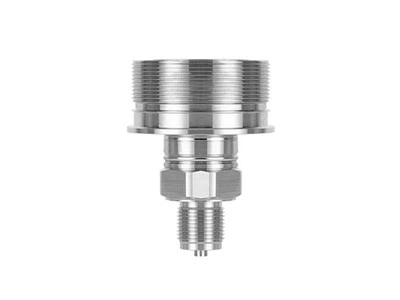
- DMP305X-DST Differential Pressure Transmitter: This transmitter features a robust design with a stainless steel housing and a corrosion-resistant diaphragm. It is suitable for a wide range of applications, including chemical processing, wastewater treatment, and HVAC systems.
- DMP305X-TST-S Absolute Pressure Transmitter: This transmitter is designed for applications where absolute pressure measurement is required. It features a high-precision sensor and a corrosion-resistant construction, making it ideal for use in corrosive environments.
- SMP858-NST Differential Pressure Transmitter: This transmitter is a cost-effective solution for applications where high accuracy and reliability are required. It features a compact design and a corrosion-resistant diaphragm, making it suitable for use in a variety of industrial applications.
Additional Protective Measures
In some cases, even the most corrosion-resistant DPT pressure transmitters may require additional protective measures to ensure long-term performance in corrosive environments. Here are some common protective measures that can be taken:
- Coatings and Linings: Applying a protective coating or lining to the transmitter's housing and diaphragm can help to prevent corrosion. These coatings can be made of materials such as epoxy, polyurethane, or Teflon, which provide a barrier between the metal and the corrosive substances.
- Isolation Valves: Installing isolation valves between the transmitter and the process fluid can help to protect the transmitter from direct contact with the corrosive substances. These valves can be closed when the transmitter is not in use, preventing the corrosive fluid from entering the transmitter.
- Regular Maintenance and Inspection: Regular maintenance and inspection of the DPT pressure transmitter are essential to ensure its continued performance in corrosive environments. This includes cleaning the transmitter, checking for signs of corrosion, and replacing any damaged components as needed.
Conclusion
In conclusion, a DPT pressure transmitter can be used in corrosive environments, but it is essential to select the right transmitter and take appropriate protective measures to ensure its long-term performance. At our company, we offer a range of corrosion-resistant DPT pressure transmitters that are designed to meet the needs of various industrial applications. If you have any questions or need assistance in selecting the right transmitter for your application, please do not hesitate to contact us. We are here to help you find the best solution for your pressure measurement needs.
If you are interested in learning more about our DPT pressure transmitters or would like to discuss your specific requirements, please feel free to reach out to us. Our team of experts is ready to assist you in selecting the right product and providing you with the support you need to ensure its successful installation and operation.
References
- "Corrosion Basics: Understanding the Fundamentals of Corrosion." NACE International, 2023.
- "Pressure Transmitter Selection Guide." Emerson Automation Solutions, 2023.
- "Industrial Pressure Transmitters: Applications and Technologies." Honeywell International Inc., 2023.