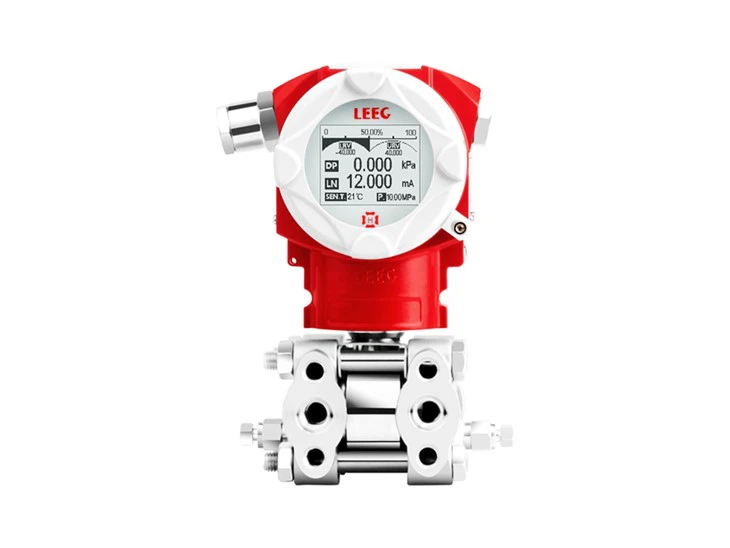
By calculating using two pressure measurements, values for liquid level, interface, density, and flow rate can be obtained. We often use differential pressure transmitters to measure the liquid level in vessels. This is a well-proven measurement method in industrial process control. Below, we will examine the benefits and applications of utilizing differential pressure transmitters for liquid level measurement.
Working Principle
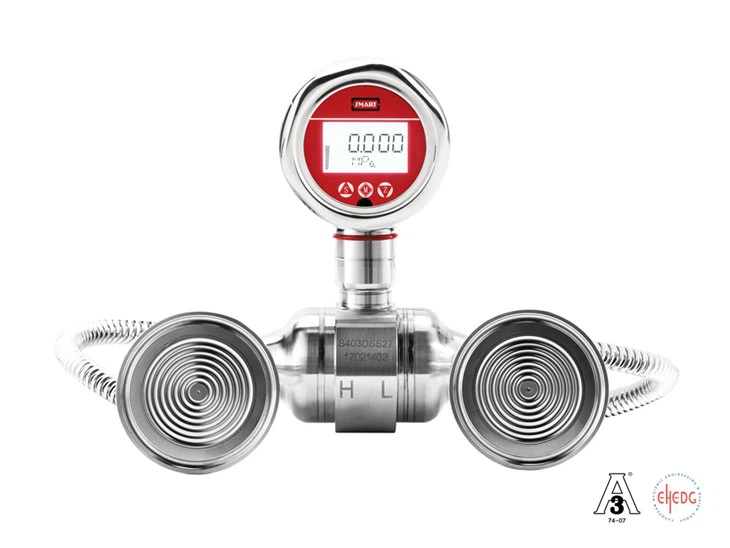
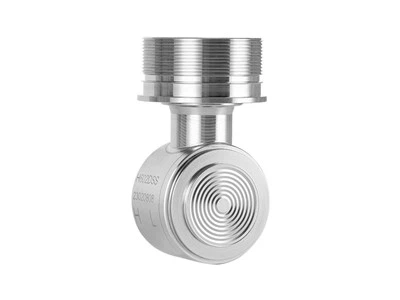
The differential pressure liquid level measurement device consists of two diaphragm flanges. The diaphragms sense the pressure difference between two pressure tapping points, indirectly reflecting the liquid level height. The high-pressure side of the transmitter is installed at the bottom of the vessel, subject to the hydrostatic pressure from the liquid column and the gas phase pressure inside the vessel. The low-pressure side is installed at the top of the vessel, subject only to the gas phase pressure. Since the gas phase pressure at both points is the same, the obtained differential pressure value can be used to calculate the liquid level height and the liquid density. Traditional differential pressure measurement is widely applicable and can even detect differential pressures as low as a few millibars.

Structurally, the differential pressure level transmitter is in direct contact with the medium through upper and lower diaphragm seals. Connected behind these diaphragms are capillaries filled with silicone oil (the pressure transmission fluid), which stably transmit the process pressure to the differential pressure measurement unit. This measurement method can avoid parameters being affected by high temperatures and corrosive substances.
When the liquid level in the vessel changes, the static pressure at the bottom sensing point changes proportionally with the height of the liquid column, while the gas phase pressure on the top diaphragm remains basically constant. Therefore, the pressure difference formed between the upper and lower diaphragms changes synchronously with the liquid level. The differential pressure transmitter converts this differential pressure value into an electrical signal output and translates it into a corresponding liquid level signal according to a pre-set range relationship. This signal is then provided to the control system for display, alarm, or closed-loop regulation.
Measurement Advantages
Differential pressure transmitters offer good applicability and can operate stably over long periods under conditions involving high temperatures, high pressure, corrosive, or viscous media. Paired with diaphragm seals and a dual-flange structure, the sensing element can be effectively isolated from the process medium, avoiding issues like clogging, corrosion, and crystallization, thereby reducing maintenance frequency and extending service life. In terms of measurement stability, differential pressure transmitters, based on a mature measurement principle, provide an output signal with a good linear relationship to the liquid level height. They offer good repeatability and minimal drift, making them suitable for continuous monitoring and automated control.

Applications
In the petrochemical industry, differential pressure transmitters are commonly used for pressure and liquid level measurement in reaction vessels and pressurized storage tanks. In the power and energy sector, they are often used in boiler drums, feedwater tanks, condensate tanks, and desulfurization and denitrification systems. In life sciences and the food industry, they are frequently employed for liquid level monitoring in fermentation tanks, storage tanks, and batching tanks. In environmental protection and municipal applications, they are commonly used in chemical dosing tanks, submerged treatment units, and pressurized pipeline systems. Additionally, there are many other application scenarios not listed here. Differential pressure transmitters are not only suitable for traditional storage tank liquid level measurement but also cover liquid level monitoring needs in complex industrial processes, making them one of the most mature and widely applicable liquid level measurement solutions in process industries.