I. Introduction
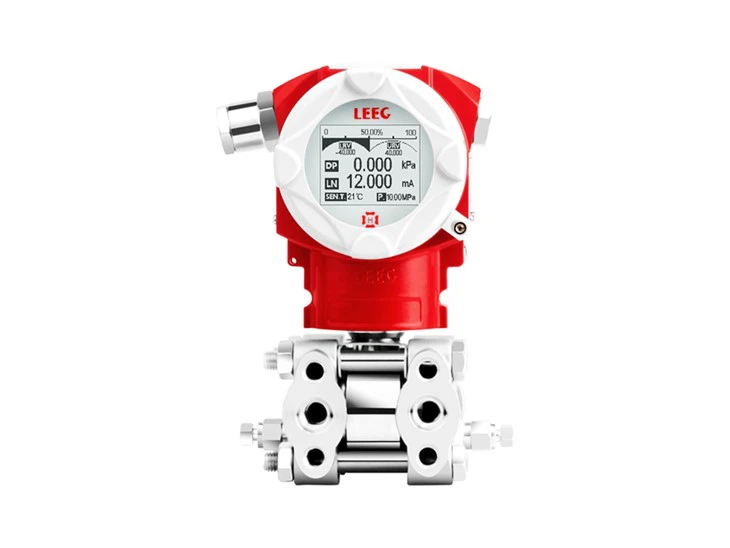
In the field of industrial process control, pressure/differential pressure measurement is a core element for ensuring production safety and operational stability. Traditional metal capacitance or piezoresistive silicon sensors are prone to diaphragm fatigue, zero drifting, and even structural damage under extreme operating conditions, making it difficult to meet the demands of complex scenarios involving high overload and strong impact. Leveraging the high overload protection design and excellent mechanical stability, monosilicon Pressure Sensors have become the preferred measurement solution in industries such as petrochemicals, electric power, and metallurgy. This article will systematically elaborate on the technical advantages and application value of monosilicon high overload sensors, combining structural principles with practical industrial scenarios.
II. Structural Principles of Monosilicon High Overload Sensors
2.1 Core Structure and Overload Protection Mechanism
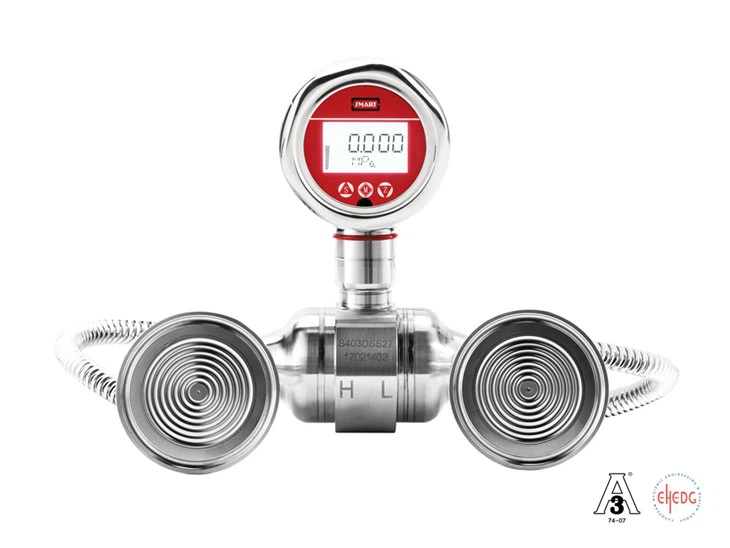
Monosilicon high overload Pressure Sensors adopt a multi-layer protective structure consisting of dual isolation diaphragms, a center diaphragm, and oil-filled pressure transmission. The core principle is illustrated in the figure:

- Pressure Transmission Path: The medium pressure on the high-pressure side/low-pressure side acts on the isolation diaphragm. The pressure is uniformly transmitted to the corrugated center diaphragm via the internally filled silicone oil, then conducted through the oil path to the top monosilicon chip. Finally, the chip converts the pressure difference into an electrical signal output.
High Overload Protection Mechanism:
- Limit Protection: The center diaphragm is made of a special material. Under overload pressure (e.g., overpressure, water hammer impact), it can deform, preventing pressure transmission to the chip, thereby protecting it.
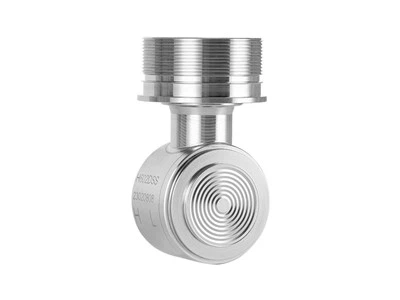
- Isolation Buffering: The two isolation diaphragms serve as the first line of defense. Working in conjunction with the center diaphragm, they can withstand instantaneous high-pressure impacts. When the isolation diaphragm contacts the substrate and the center diaphragm deforms simultaneously, it prevents further pressure transmission to the chip. The isolation diaphragms also isolate the medium from the core sensing element.
- Oil-Filled Pressure Equalization: Silicone oil acts as the pressure transmission medium, evenly distributing pressure, avoiding local stress concentration, and further enhancing impact resistance.
2.2 Mechanical Advantages of Monosilicon Material
Monosilicon material offers extremely low hysteresis, ultra-high elastic limit, and long-term stability:
- Stable elastic modulus, with virtually no mechanical performance drift across a wide temperature range of -40°C to 125°C.
- Yield strength significantly higher than traditional metal materials, capable of withstanding overload pressures several times the measuring range without plastic deformation.
- Uniform crystal structure ensures linearity and repeatability of pressure-to-electrical signal conversion.