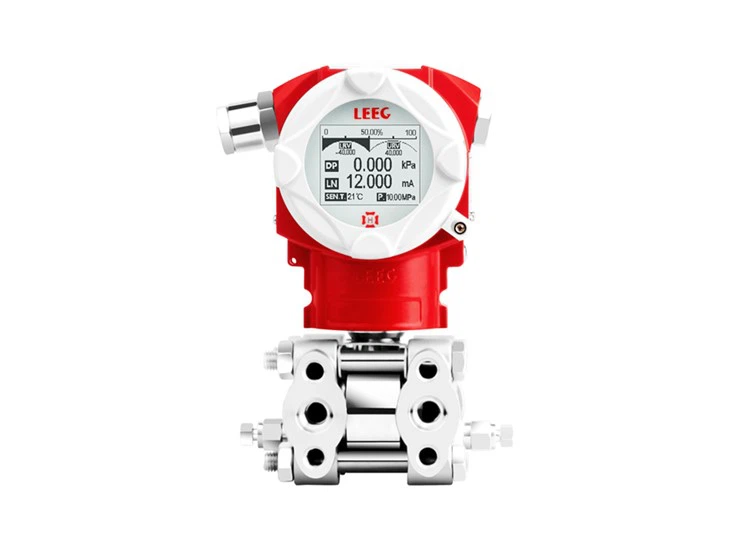
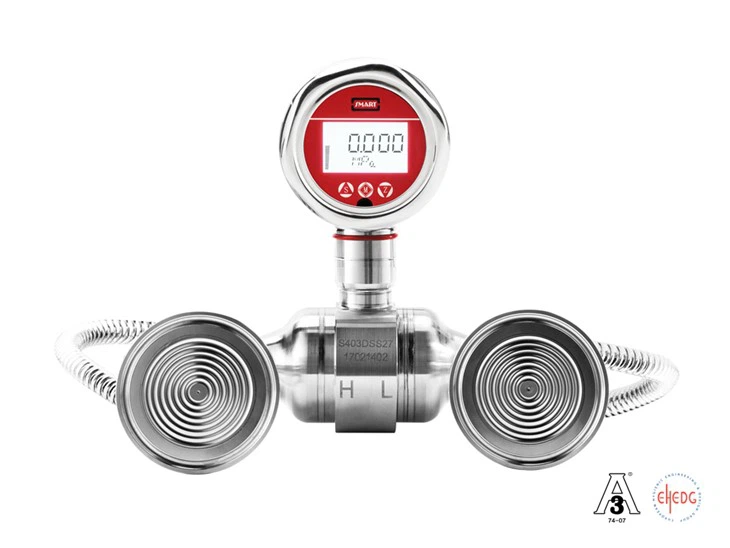
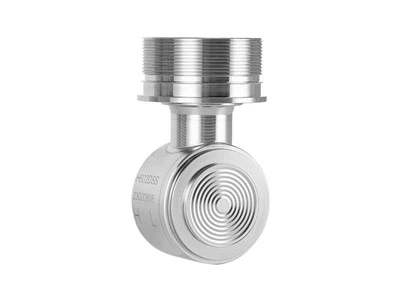
The Importance of Pressure Transmitters in the Global Marine Market
In the marine and offshore engineering sector, pressure transmitters are core sensing components that ensure the reliable operation of power systems, ballast systems, cargo control systems, and safety monitoring systems. From main engine lubricating oil pressure and fuel supply pressure to cargo tank liquid level and compartment pressure monitoring, the measurement accuracy and long-term stability of pressure transmitters directly affect vessel safety and operational efficiency. .As ships accelerate toward intelligent and digital transformation, pressure transmitters are no longer merely local indication instruments. They have become key nodes for real-time data acquisition and energy efficiency management.
However, marine operating conditions are far more demanding than onshore industrial environments. Exposure to salt spray, continuous vibration, significant temperature and humidity variations, and electromagnetic interference places stringent demands on the environmental performance of pressure transmitters. For this reason, pressure transmitters used in applicable marine applications are generally required to meet the relevant type approval requirements of major classification societies. Measurement and control equipment without the required classification society approval may face difficulties in being included in the equipment lists of ocean-going vessels and offshore platforms.
For instrument manufacturers, obtaining mainstream classification society certification is not only proof of technical strength but also the threshold for participating in global maritime projects.
What Is Classification Society Certification?
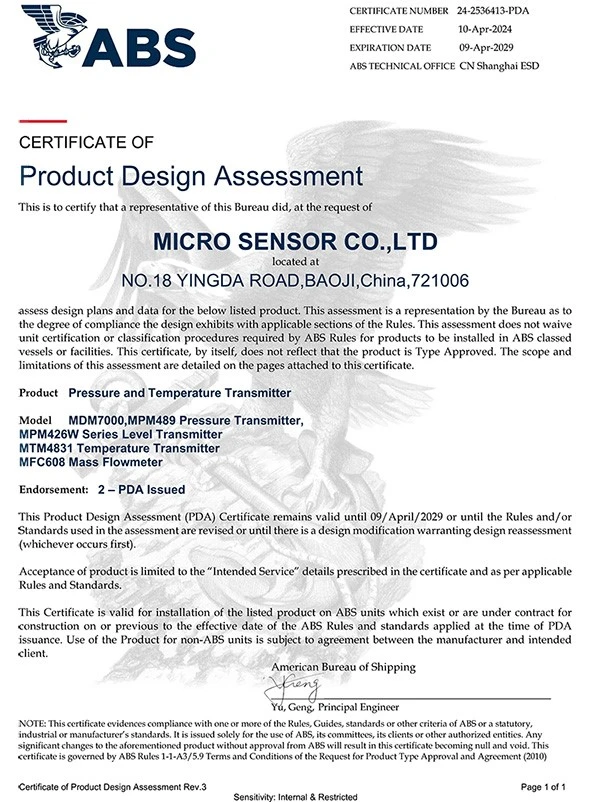
A classification society is an independent, impartial professional technical organization engaged in classification services for ships and offshore installations. Its core function is to develop and maintain technical specifications for ship construction and operation, and to confirm that ships and their equipment comply with safety and environmental standards through plan review, survey, and certification. Classification society certification, typically documented in a type approval certificate, is issued after a classification society has reviewed the design, conducted prototype testing, and assessed the manufacturing system of a specific marine product model in accordance with its applicable rules. It confirms that the product meets the relevant requirements for operation under specified conditions..
For pressure transmitters, classification society certification testing typically covers key items such as electromagnetic compatibility, temperature cycling, vibration resistance salt spray corrosion, and enclosure protection rating. Taking the Korean Register (KR) certification of MDM7000 as an example, its test conditions include a temperature range of -25°C to +70°C, vibration at ±0.7g acceleration, and salt spray testing, with an enclosure rating required to reach IP67. Obtaining type approval provides the product with the necessary approval for installation on board. Shipowners, shipyards, and design institutes can use the certificate to verify that the product meets the applicable classification requirements during equipment selection.Classification society certification is also an important basis for insurers and flag state administrations to recognize ship seaworthiness.
What Are the Major Classification Society Certifications Worldwide?
The global classification society system is centered on members of the International Association of Classification Societies (IACS). According to Lloyd's List's 2025 ranking based on classified gross tonnage, the top ten classification societies worldwide are: American Bureau of Shipping (ABS), DNV, Nippon Kaiji Kyokai (NK), Lloyd's Register (LR), China Classification Society (CCS), Bureau Veritas (BV), Korean Register (KR), RINA, Indian Register of Shipping (IRS), and Polish Register of Shipping (PRS). ABS surpassed DNV to take the top position for the first time in 2025, while CCS rose from sixth to fifth place, reflecting the sustained growth of Asia's shipbuilding and shipping markets.
These classification societies each have their own historical origins and market focus. LR, founded in 1760, is the world's oldest classification society, known for its rigorous certification and deep influence in Europe's high-end ship market. ABS, headquartered in Houston, leads in North America and the offshore sector through its global service network, and its rules have been recognized by more than 120 governments. DNV has deep roots in the Norwegian and Nordic maritime markets, while NK is closely associated with Japan's shipbuilding industry. CCS, as a professional technical organization authorized by Chinese law, undertakes classification services and statutory surveys for domestic and international ships and offshore installations. BV, KR, RS, and others also hold irreplaceable recognition in their respective regional markets. For instrument manufacturers aspiring to compete globally, a single classification society certification covers only a local market-having multiple certifications is the realistic path to opening international projects.

MDM7000 Smart Pressure Transmitter Holds 8 Major Classification Society Certifications
The MDM7000 smart pressure transmitter has obtained type approvals from eight classification societies-DNV, CCS, RS, NK, ABS, BV, KR, and LR-covering market access qualifications for the world's major shipbuilding and shipping markets. This comprehensive certification portfolio gives the MDM7000 a significant competitive advantage among pressure transmitters manufactured in China. It includes approvals from the five leading classification societies by gross tonnage under classification-ABS, DNV, NK, LR, and CCS-as well as BV, KR, and RS, which have significant influence in European, East Asian, and other regional markets.
From a technical verification perspective, the certification processes of the eight classification societies are mutually independent, with each testing standard having its own emphasis. LR certification focused on assessing MDM7000's performance under high salt spray, high humidity, and strong vibration conditions; BV certification focused on adaptability and long-term stability in harsh marine environments; KR's type approval explicitly limited electromagnetic compatibility testing to non-bridge and non-exposed deck areas and made normative clarifications regarding the independence of explosion-proof certificates. The significance of multiple certifications lies not only in market coverage but also in systematically proving product reliability under diverse marine operating conditions through cross-verification of different standard systems. For shipowners and design institutes, having eight certificates means the model can be directly selected for the vast majority of classified vessels without separate justification of certification applicability.
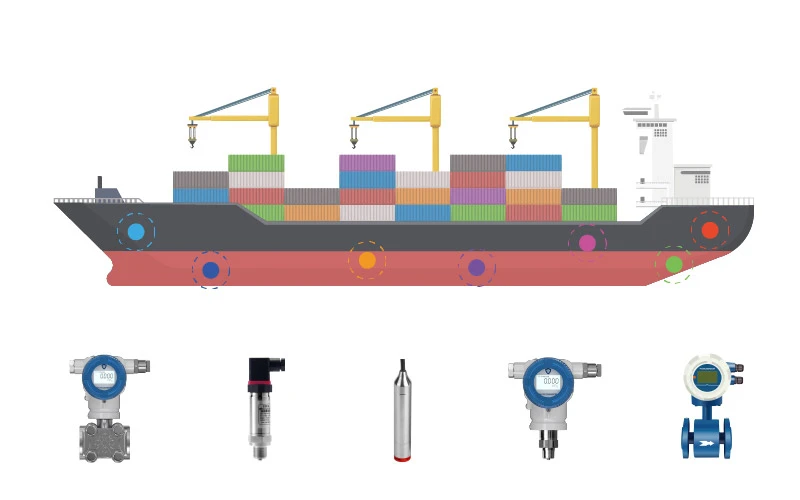
Global Market Applications
The MDM7000 smart pressure transmitter has been widely applied in numerous maritime and marine engineering projects worldwide, including bulk carriers, oil tankers, container ships, LNG carriers, and offshore drilling platforms. In these fields, pressure transmitters are used not only to ensure equipment stability and safety but also for real-time data acquisition and analysis, thereby driving the digital transformation of vessel operations. Pressure monitoring on bulk carriers and oil tankers focuses on safety control of ballast water systems and cargo oil pipelines; container ships have stringent requirements for pressure monitoring of lashing bridges and hatch cover hydraulic systems; LNG carriers must maintain measurement reliability under extremely low-temperature conditions and in potentially flammable gas environments. Meanwhile, high vibration levels and corrosive environments on offshore drilling platforms place extremely high demands on transmitter enclosure and sealing design.
With eight major classification society certifications in hand, MDM7000 has gained key support for further expanding its market share, especially in Europe, Asia, and North America where ship safety standards are extremely high. European shipowners generally prefer LR- and BV-certified equipment, Asian shipyards prioritize corresponding certified products for NK-, KR-, and CCS-classified vessels, while ABS and DNV enjoy broad acceptance in North American and global offshore projects. Eight-certificate coverage enables MDM7000 to meet equipment selection requirements for cross-regional projects with a single model, significantly reducing compliance costs in supply chain management for shipyards and shipowners. As the marine industry continues to transform toward intelligence and low-carbon operations, sensing products with complete certification qualifications will occupy a more favorable competitive position in the global maritime measurement and control market.
About LEEG Instruments
Shanghai LEEG Instruments Co., Ltd. (LEEG) is a wholly-owned subsidiary of Micro Sensor Co., Ltd., with more than 21 years of R&D and manufacturing experience in monocrystalline silicon pressure transmitters and cumulative field applications exceeding one million units. The company possesses five core technical capabilities: sensor design, signal processing module design, temperature compensation algorithm development, transmitter packaging structure design, and flexible automated production line construction. Its products have obtained international authoritative certifications including CE, ATEX, IECEx, and CSA, as well as CNAS laboratory accreditation.
LEEG focuses on the measurement and control of process industry parameters such as pressure, level, differential pressure, and flow. Its products are widely used in oil and gas, chemical industry, marine and offshore engineering, new energy, and high-end equipment manufacturing, with a sales network covering more than 70 countries and regions worldwide.Leveraging the parent company's strong foundation in sensing technology and its own extensive experience in the process industry market, LEEG continues to provide global customers with high-precision, highly reliable pressure measurement solutions. In the marine and offshore engineering field-where safety standards are extremely stringent-it is winning recognition from an increasing number of international customers through its complete certification system and solid product performance.