In industrial measurement, the terms pressure sensor, pressure transducer, and pressure transmitter are often used as if they were the same thing. They all measure pressure, yes-but they do it in different ways, and the type of output you get makes a big difference when you're integrating the device into a system. Knowing how they differ helps you avoid noise problems, wiring headaches, and accuracy issues down the road.
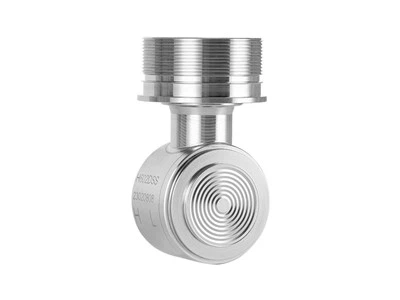
一. Pressure Sensor: Raw, Millivolt-Level Signal
A pressure sensor is the most basic form. It usually contains a strain gauge or piezoresistive sensing element attached to a diaphragm. When pressure changes, the diaphragm moves slightly and the sensor outputs a **millivolt-level (mV)** signal.
This is the "purest" signal you can get, but it also means you'll need external amplification and compensation.
Typical characteristics:
Outputs a very small mV signal
Highly sensitive, quick response
Requires extra electronics to stabilize, amplify, and calibrate
Best for OEM engineers or lab environments where users control the signal chain
If your team handles amplification themselves or you're building customized circuits, a raw sensor gives you maximum flexibility.

Pressure sensor
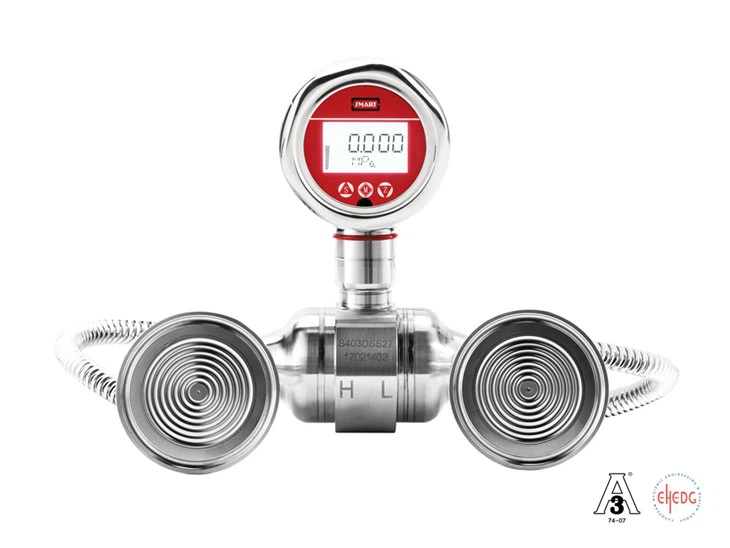
二. Pressure Transducer: Amplified Voltage Signal
A pressure transducer takes that raw millivolt output and adds internal electronics to convert it into a voltage signal, such as 0–5 V or 0–10 V. This makes it easier to integrate and more resistant to noise than a bare sensor.
Typical characteristics:
Outputs a stable voltage signal
Includes built-in amplification and basic temperature compensation
Suitable for moderate cable lengths
Common in industrial machines, hydraulic systems, automotive testing, and general industrial equipment
Think of a transducer as the balanced middle option-more robust than a raw sensor but not as industrially hardened as a transmitter.
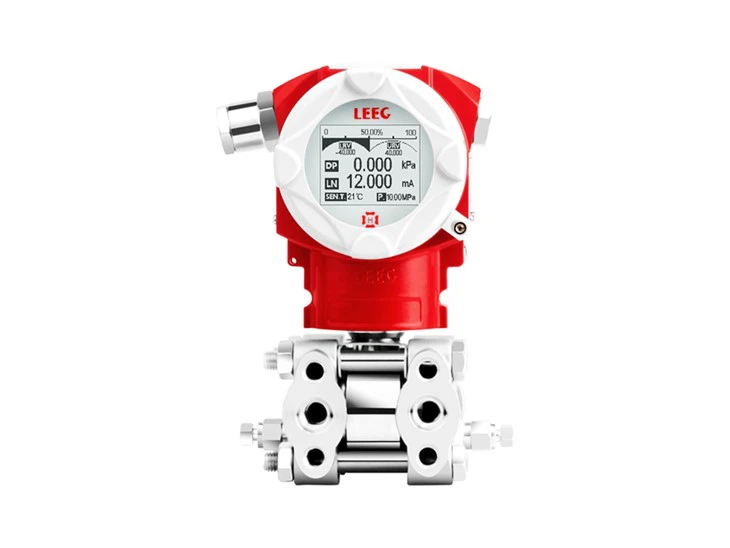
三. Pressure Transmitter: 4–20 mA and Other Standard Signals
A pressure transmitter goes further by offering a standardized industrial signal, usually 4–20 mA, but sometimes 0–10 V, 1–5 V, or even digital protocols like RS485/Modbus.
The 4–20 mA current loop is the star of the industrial world because:
It's highly resistant to electrical noise
It works over long cable runs
Current won't drop with cable resistance
Signal loss or wiring failure is easy to detect

Pressure Transmitter
Typical characteristics:
Provides fully conditioned, compensated, calibrated output
Designed for harsh environments and long-distance wiring
Used widely in process control, water treatment, oil & gas, HVAC, and automation
If the environment is demanding or the wiring distance is long, a transmitter is the reliable choice.
How to Decide Which One You Need
A simple way to think about it:
Choose a pressure sensor if you want raw data and plan to handle signal processing yourself.
Choose a transducer if you want an easy-to-use voltage signal and moderate noise immunity.
Choose a transmitter if you need long-distance, stable, and industry-standard outputs like 4–20 mA.
Each type has its place. The right pick depends on your system architecture, environment, and how much signal conditioning you want to handle on your own.