Pressure Transmitters in the New Energy Industry
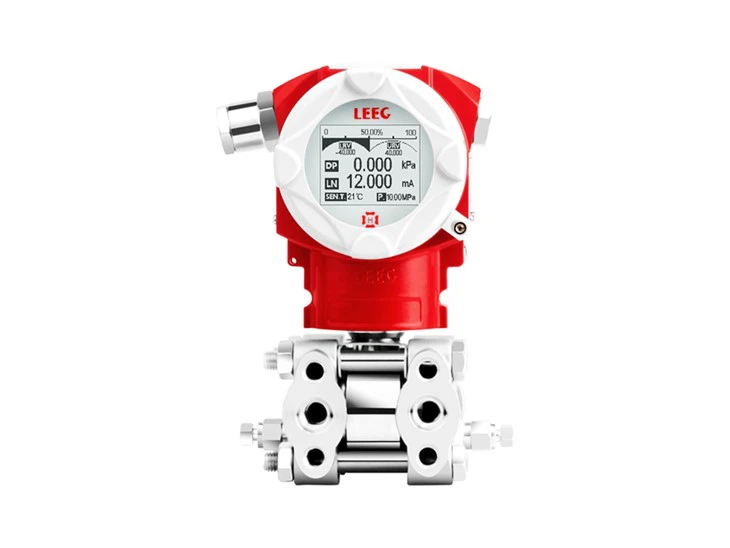
Hydrogen energy is a vital component of clean energy. Throughout the entire hydrogen industry chain-from production, storage, and transportation to utilization-precise monitoring and control are essential for system safety and efficient operation. LEEG's pressure transmitters, differential pressure transmitters, temperature transmitters, and flow meters serve as the "sensory nerves" in every stage of the hydrogen energy industry.

Application 1: Hydrogen Monitoring at the Electrolyzer Outlet
In PEM or alkaline water electrolysis for hydrogen production, hydrogen is typically pressurized after leaving the electrolyzer for storage or transportation. The conventional pressure ranges between 1.5 MPa and 3 MPa, though specific values may vary depending on the system design, with some systems operating at higher pressures. Accuracy requirements are generally 0.25% F.S., and the medium-wetted parts must be designed to prevent hydrogen embrittlement. Diaphragms often require Hastelloy C, 316L, or gold-plating treatment to resist hydrogen permeation and embrittlement. Product certifications such as ATEX and IECEx are typically required for explosion-proof and functional safety applications.
Application 2: Filter Monitoring in Hydrogen Purification Units
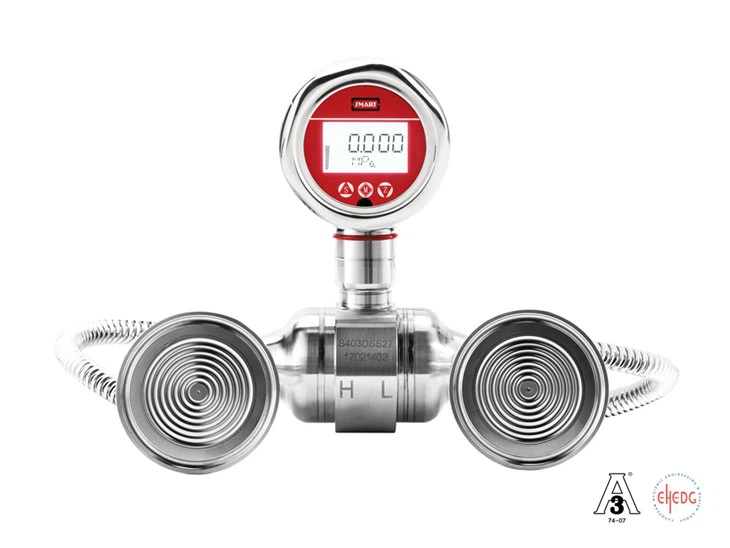
Before hydrogen is stored in tanks or fed into fuel cells, it must pass through filters to remove impurities such as particulate matter. Differential pressure transmitters are connected to the inlet and outlet of the filter to monitor clogging conditions. Under normal filtration conditions, the differential pressure is <10 kPa. When the differential pressure rises to 50–70 kPa, it indicates that the filter element needs replacement, triggering a system alarm. The accuracy requirement for this monitoring point is generally 0.5% F.S. The differential pressure transmitter is typically installed with impulse piping, and the interfaces should be made of stainless steel.
Application 3: Temperature Control of Coolant in Fuel Cell Stack
The power generation process in fuel cell stacks involves electrochemical reactions, where service life and efficiency depend heavily on maintaining a relatively constant temperature with minimal fluctuations. The operating temperature typically ranges between 60°C and 80°C. The cooling system helps dissipate the substantial heat generated during reactions to maintain thermal balance. The accuracy requirement for temperature transmitters is generally 0.5°C.
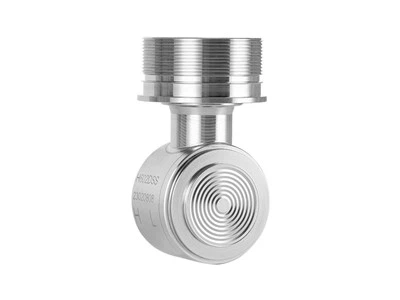
Every step of the industry chain demands precise, reliable monitoring and control. In applications involving pressure and differential pressure transmitters, LEEG not only provides standard 316 and Hastelloy C materials but also incorporates thick gold-plated sensing elements and flange diaphragm protection technology. These features effectively prevent hydrogen permeation and embrittlement, ensuring long-term stable operation. The accuracy of these products far exceeds the requirements of the hydrogen energy industry, and they are certified by authoritative bodies such as CSA, IECEx, and ATEX.