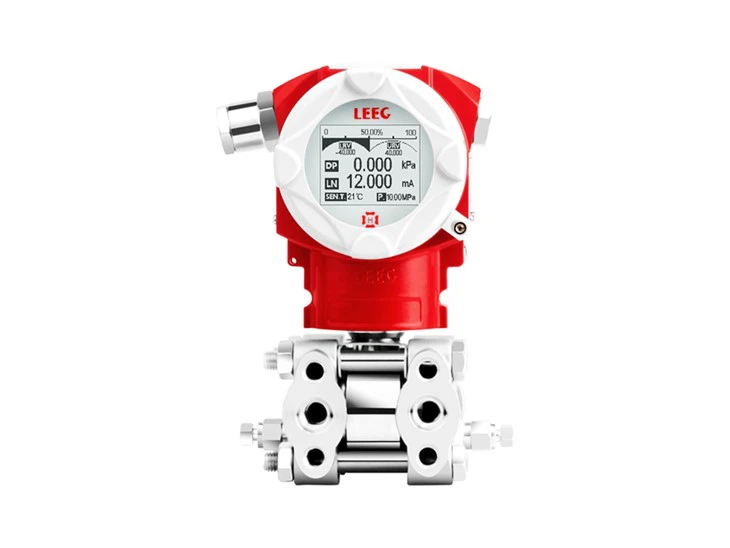
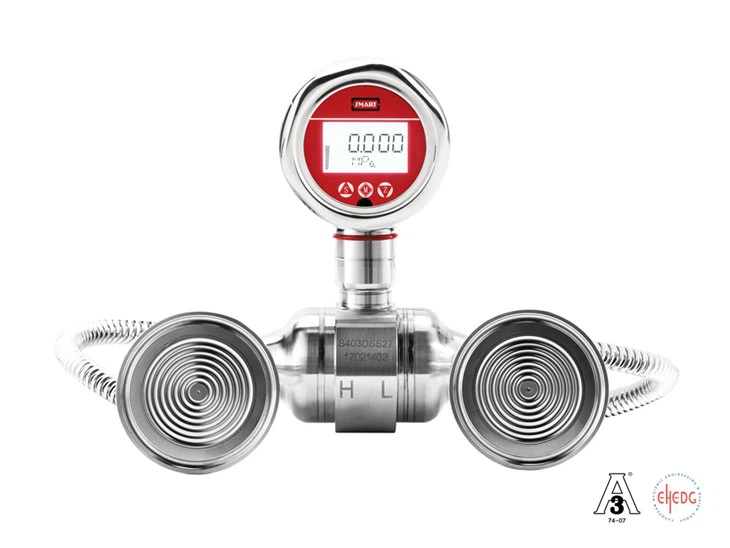
Key Applications of Differential Pressure Transmitters in Boiler Monitoring for the Thermal Power Industry
In thermal power plants, boilers serve as core equipment whose operational status directly impacts unit efficiency and safety. Differential pressure transmitters (DP transmitters) have become essential tools for monitoring critical boiler parameters due to their high precision and strong stability, finding widespread applications in flue gas systems, steam-water circulation, and combustion optimization.

1. Working Principle of Differential Pressure Transmitters
DP transmitters measure the pressure difference across specific boiler components (such as throttling devices, filters, or heat exchangers) and convert the physical signal into a standard electrical signal (4–20 mA or digital signal), which is transmitted to the DCS or PLC system. Their key advantages include:
High Accuracy: Up to ±0.075% FS, meeting the stringent requirements of thermal power applications.
Strong Anti-Interference Capability: Designed to withstand high temperatures and vibrations, adapting to the harsh environment around boilers.
Multi-Function Integration: Some models can simultaneously output temperature, flow rate, and other data.
2. Typical Application Scenarios
(1) Flue Gas System Monitoring
Air Preheater Differential Pressure: Real-time monitoring of the pressure difference at the inlet and outlet of the air preheater helps assess ash buildup and guides intelligent soot-blowing systems, preventing excessive induced draft fan power consumption due to blockages.
Dust Collector Pressure Drop: Detects resistance in bag filters to optimize back-blowing frequency, ensuring compliance with environmental emission standards.
(2) Steam-Water Circulation System
Drum Water Level Control: Measures drum water level through balanced-container differential pressure to prevent false water level readings that could lead to dry firing or overfilling accidents.
Economizer Resistance Monitoring: An increase in differential pressure indicates scaling or clogging inside tubes, prompting timely chemical cleaning.
(3) Combustion Optimization
Primary Air Pressure Differential Monitoring: Works with airflow regulation to ensure uniform pulverized coal delivery, reducing unburned carbon in fly ash.
Furnace Negative Pressure Control: Maintains a slightly negative pressure state to avoid positive pressure flare-ups or heat loss from air leakage.
Conclusion
As the "sensory nerves" of thermal power boilers, DP transmitters provide precise measurements that form the foundation for safe operation, energy efficiency, and intelligent transformation. Moving forward, with deeper adoption of IIoT technologies, differential pressure monitoring will further evolve toward predictive maintenance, supporting the thermal power industry's transition to greener and more sustainable operations.