Innovative Application of Differential Pressure Level Monitoring in Hydrogen Peroxide Production and Storage
In the chemical production sector, hydrogen peroxide (H₂O₂) serves as a crucial basic chemical raw material, where accurate level monitoring has always presented technical challenges for the industry. Differential pressure level measurement technology demonstrates outstanding application value in hydrogen peroxide production, storage, and transportation processes due to its unique advantages.
Technical Principle and System Configuration
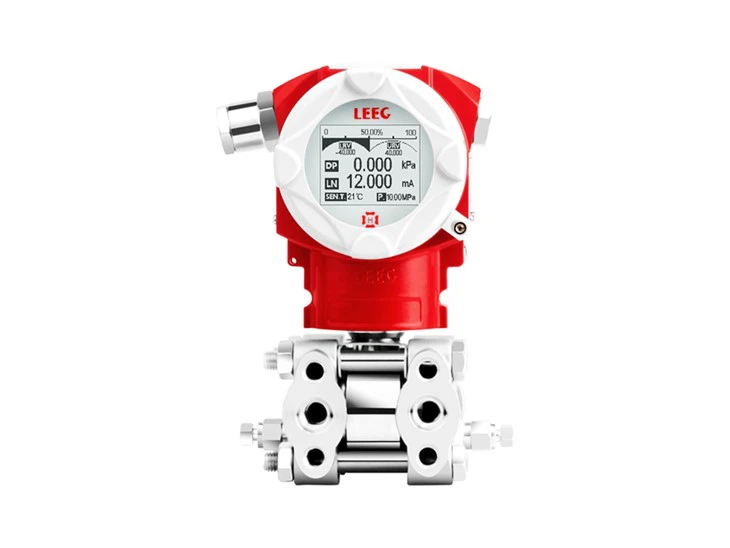
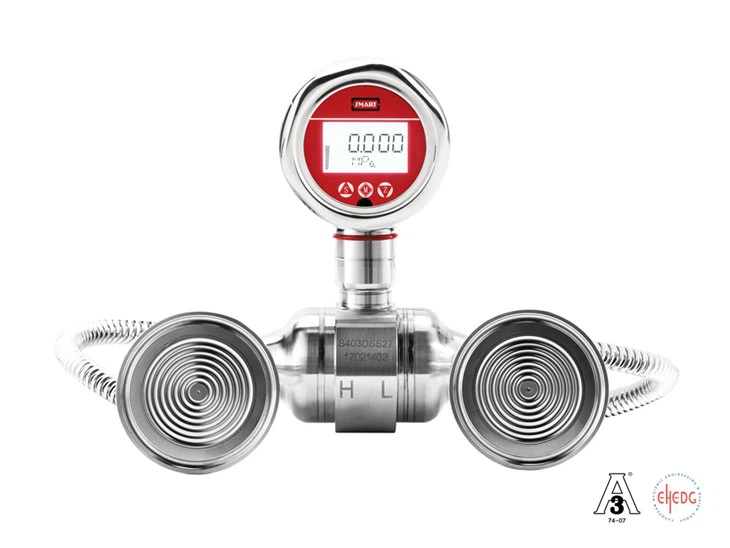
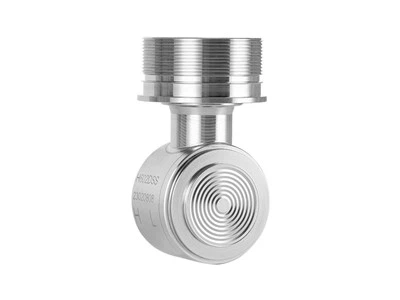
The differential pressure level monitoring system operates based on hydrostatic principles, calculating liquid level height by measuring the pressure difference between the bottom and top of containers. In hydrogen peroxide applications, the system typically consists of corrosion-resistant differential pressure transmitters, isolation flanges, capillary tubes, and process connections. The selection of tantalum isolation diaphragms and PTFE fill fluid proves particularly critical, effectively resisting the strong oxidizing properties of hydrogen peroxide. The latest intelligent differential pressure transmitters achieve measurement accuracy of ±0.1% FS, fully meeting the metering requirements for GMP-grade hydrogen peroxide.
Analysis of Typical Application Scenarios
In monitoring 30% hydrogen peroxide storage tanks, the differential pressure system successfully overcomes the sticking issues common with traditional float-type level gauges through bottom flange-mounted installation and top vapor-phase pressure tap design. Operational data from a major chemical enterprise shows that after adopting differential pressure monitoring, level measurement stability improved to 99.8%, with annual maintenance frequency reduced from 12 to 2 instances. In hydrogen peroxide synthesis reactors, the application of triple-redundant differential pressure monitoring systems ensures the reliability of critical process parameters, working in conjunction with PID control algorithms to reduce conversion rate fluctuations by 40%.