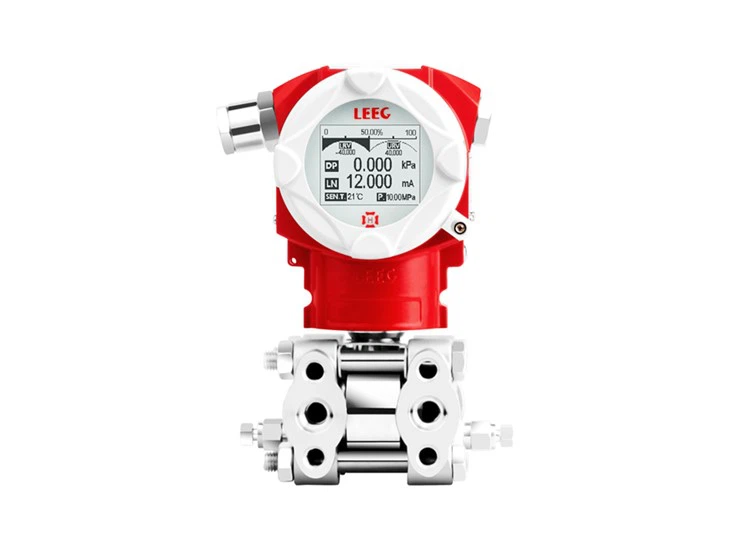
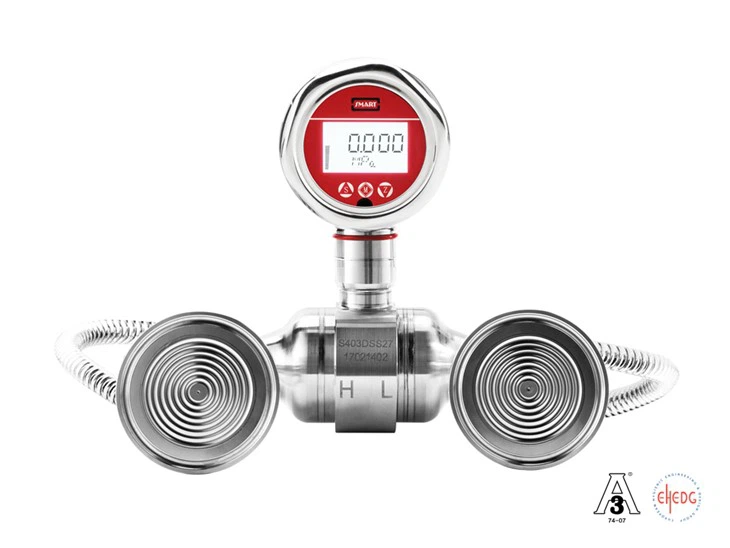
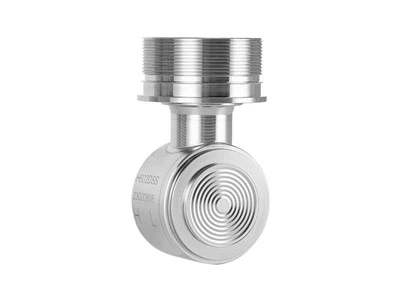
In the waste management industry, waste-to-energy incineration is a key method for reducing waste volume and ensuring safe, environmentally sound disposal.The waste bunker, fan outlets, and process pipelines are critical components of a waste-to-energy plant's safe and stable operation, and reliable pressure instrumentation is essential for process control and environmental compliance. The waste bunker must maintain a negative pressure year-round to prevent odorous air from escaping into the surrounding environment; fan outlet pressure directly affects the combustion air ratio and combustion efficiency of the incinerator; and various pipelines cover auxiliary systems such as flue gas and leachate. However, these operating conditions present significant challenges for pressure measurement, such as the long-term stability and corrosion resistance of sensors under high-humidity corrosive gas conditions, the accuracy requirements of micro-differential pressure measurement, and issues such as dust blockage and vibration interference. By analyzing the measurement difficulties at customer sites, we provide reasonable solutions tailored to these needs, helping customers achieve safer, more efficient, and more economical pressure measurement solutions.
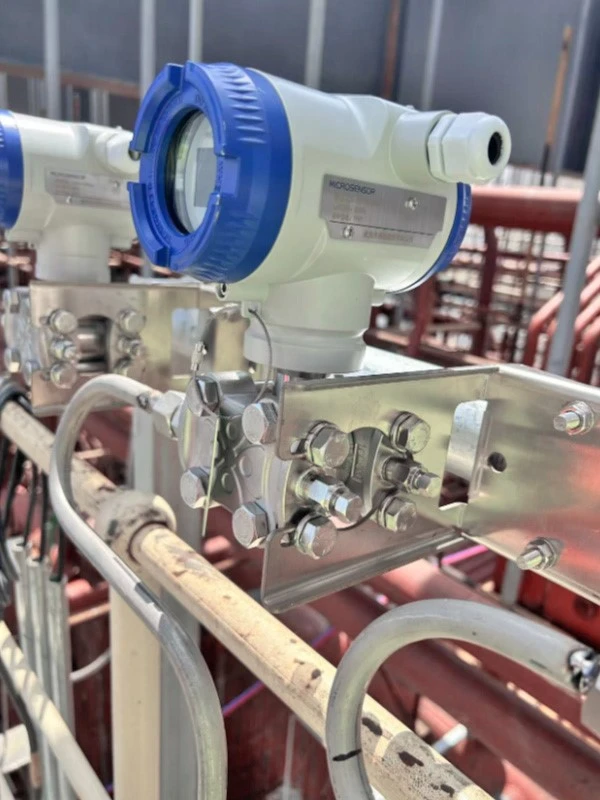
XX County Energy Eco-Park (Phase II)
Waste Treatment Capacity: 800 tons of municipal solid waste per day
Honors: "Model Plant for Operation Management & Occupational Health Enterprise in Waste-to-Energy Power Industry"; "Enterprise on the Positive Supervision List of Ecological Environment"
XX Company is a specialized company in the solid waste disposal field and a national high-tech enterprise, with more than 20 years of experience in urban solid waste treatment technology R&D, engineering design, equipment manufacturing, project investment, construction, and operation management. Its business covers municipal solid waste, organic solid waste, municipal sludge, hazardous and medical waste, construction waste, industrial wastewater, and waste sorting and renewable resource recycling. Adhering to the business purpose of "For the Environment, For the Future" and the environmental philosophy of "Build a Factory, Return a Park," the company provides integrated solutions and full-process services for clean, efficient treatment and resource utilization of solid waste to numerous environmental industrial parks, and has won honors such as the National Quality Engineering Gold Award and the National Quality Benchmark multiple times. Following an extensive technical evaluation and comparison of available solutions, the customer selected LEEG pressure transmitters for this project for thermal control instrument pressure measurement in the waste bunker, fan outlets, and various pipelines.
Waste bunker Negative Pressure Monitoring
The waste bunker is the core area for odor control in a waste-to-energy plant and must maintain a negative pressure state year-round to prevent odor escape. Micro-differential pressure transmitters are used on site, with the positive pressure side taken from inside the garbage storage pit and the negative pressure side from outdoors, to monitor the negative pressure value in the pit in real time and send it to the DCS system. In response to the high-humidity and corrosive gas environment in the pit, the transmitters use corrosion-resistant wetted materials and a suitable sealing design. This helps maintain long-term stability, ensuring that the negative pressure in the waste bunker is controlled within the set range, effectively preventing odor overflow and providing reliable protection for the plant environment and safe operation.
Fan Outlet Pressure Measurement
Fan outlet pressure directly affects the combustion air ratio and combustion efficiency of the incinerator. Pressure transmitters are installed at the supply fan outlets to measure the air pressure in real time and transmit the signals to the combustion control system for adjusting damper opening and air volume ratio. In response to the working conditions of high vibration and frequent pressure fluctuations at fan outlets, the transmitters have good overload and vibration resistance, with stable and reliable output signals, ensuring full combustion and stable operation of the incinerator and helping customers achieve efficient combustion and energy-saving operation.
Differential Pressure/Pressure Measurement in Various Pipelines
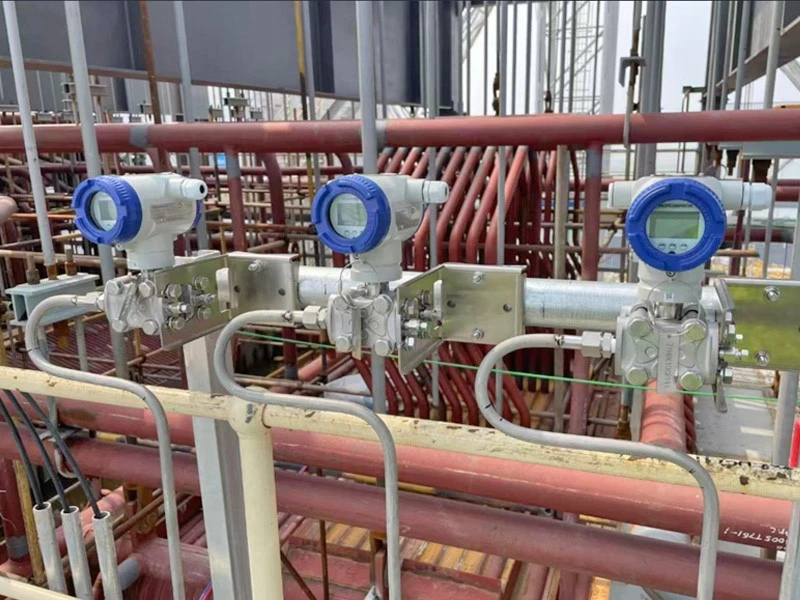
In auxiliary systems handling flue gas and leachate, differential pressure measurements can be used to monitor filter loading and, where the system design permits, support flow or level measurement. Differential pressure transmitters are used on site. In response to the requirements of dust, corrosive media, and micro-differential pressure detection in pipelines, corrosion-resistant materials and high-precision micro-differential pressure ranges are selected to are selected to provide reliable measurements under low-pressure-differential conditions, providing a reliable basis for judging and maintaining the operating status of the pipeline system and effectively reducing the risk of unplanned downtime.
The various process pipelines of a waste-to-energy plant cover media such as flue gas, compressed air, and leachate, with scattered pressure measurement points and varying working conditions. On site, corresponding pressure transmitters are selected according to the characteristics of different pipeline media with material compatibility, temperature ratings, and resistance to clogging considered during selection, to achieve continuous pipeline pressure monitoring and provide stable and reliable pressure signals for process operation control and equipment safety protection, helping customers achieve safer, more efficient, and more economical pressure measurement solutions.
The successful implementation of this project has strengthened the partnership between both parties. To date, LEEG has supplied pressure measurement solutions for three projects undertaken by the customer across southern and northern China and including differential pressure and pressure measurement of waste bunkers, fan outlets, and various pipelines. From the initial trial installation to successful operation, LEEG instruments have been deployed across projects in southern and northern China. Their measurement accuracy and stability help support the safe and reliable operation of the customer's waste-to-energy facilities. In the future, we will continue to focus on the pressure measurement needs of solid waste treatment scenarios, provide safer, more efficient, and more economical solutions, and support the high-quality operation of customers' environmental protection projects.