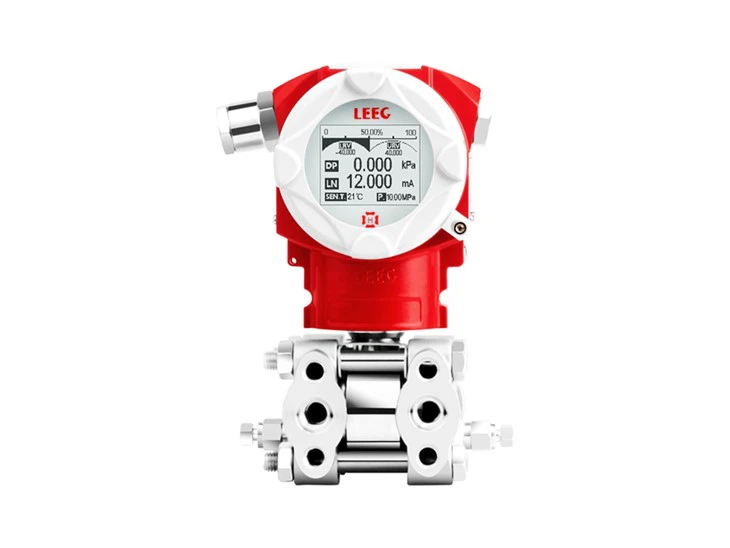
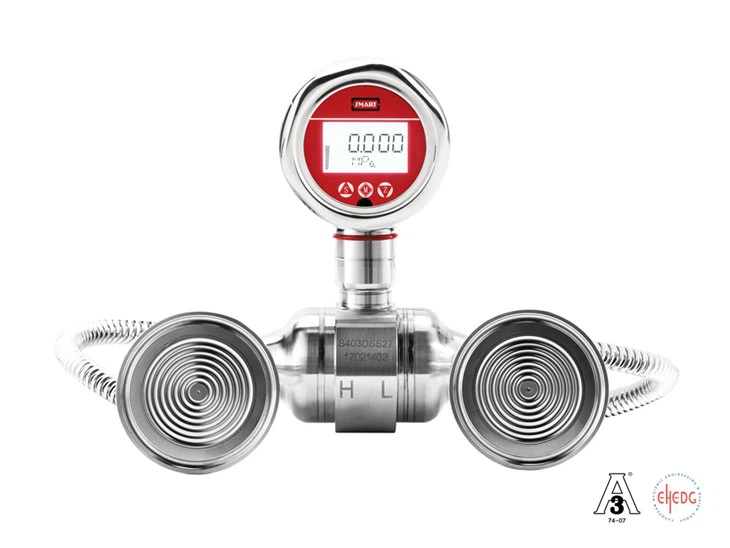
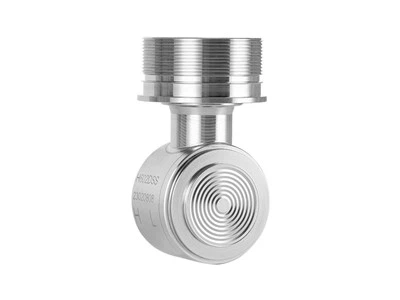
Made-in-China pressure transmitters are available at prices ranging from several hundred to several thousand RMB, with these price differences primarily reflecting variations in product performance metrics and quality assurance. This article systematically analyzes the essential distinctions between budget and premium Made-in-China pressure transmitters across multiple dimensions to assist users in making informed purchasing decisions.
Accuracy Performance
Budget-priced transmitters typically utilize mid-range sensors with accuracy around 0.5% FS, suitable for applications where precision isn't critical. Premium models employ imported high-end sensors, achieving 0.075% FS or better accuracy, meeting requirements for precision control systems. Notably, accuracy discrepancies become more pronounced during extended operation. High-accuracy models are essential for precision applications (e.g., chemical experiments, aerospace).
Stability Comparison
Economical units may exhibit zero drift and temperature drift due to material and manufacturing limitations, requiring frequent recalibration. Advanced models incorporate sophisticated temperature compensation and superior sensor components, maintaining measurement stability for 3-5 years while significantly reducing maintenance requirements.
Measurement Range & Overload Capacity
Entry-level transmitters feature narrower measurement ranges and limited overload protection (typically 1.5x rated pressure). Professional-grade units offer expanded ranges with 2-3x (or greater) overload capacity through integrated protection circuits or specialized designs, making them ideal for demanding environments with wide pressure fluctuations, particularly applications involving pressure shocks (e.g., oil drilling, hydraulic systems).
Response Time Characteristics
Economical models demonstrate slower response times, suitable only for static or gradually changing pressure conditions. Industrial-grade transmitters provide rapid response (millisecond-level signal output), capable of tracking dynamic pressure changes in high-speed fluid systems or pulse pressure applications.
Communication Capabilities
Basic units typically offer only analog outputs (4-20mA) with limited system integration potential. Advanced models support multiple digital protocols (HART, PROFIBUS-PA, Modbus), enabling seamless integration with automation systems for remote monitoring and parameter adjustment.
Intelligent Features
While budget options provide fundamental pressure measurement, premium models incorporate self-diagnostics, fault alarms, data logging, and predictive maintenance capabilities to enhance operational reliability.
Materials & Construction
Entry-level products use 304 stainless steel with conventional sealing, whereas professional models utilize superior materials (316L stainless steel, specialty alloys) with advanced manufacturing techniques (laser welding) to achieve IP67/IP68 protection for harsh environments.
Certification Standards
Budget models may lack rigorous international certifications, while premium units typically carry ISO9001, CE, ATEX, RoHS, and industry-specific certifications (3A, EHEDG) for pharmaceutical and food processing applications.
Brand Value Considerations
Lesser-known brands demonstrate inconsistent quality, whereas established manufacturers invest heavily in R&D and quality control, delivering proven reliability that reduces operational risks despite higher initial costs.
After-Sales Support
Economical options often provide limited technical support, while premium brands maintain dedicated service teams offering comprehensive maintenance, replacement, and calibration services to ensure uninterrupted operation.
User Experience Summary
While premium transmitters require greater initial investment, their superior safety, stability, and convenience deliver long-term value by minimizing failures, reducing maintenance, and simplifying integration - truly embodying the "pay more, save more" principle. For mission-critical applications, investing in high-quality pressure transmitters is essential for ensuring production safety and efficiency.