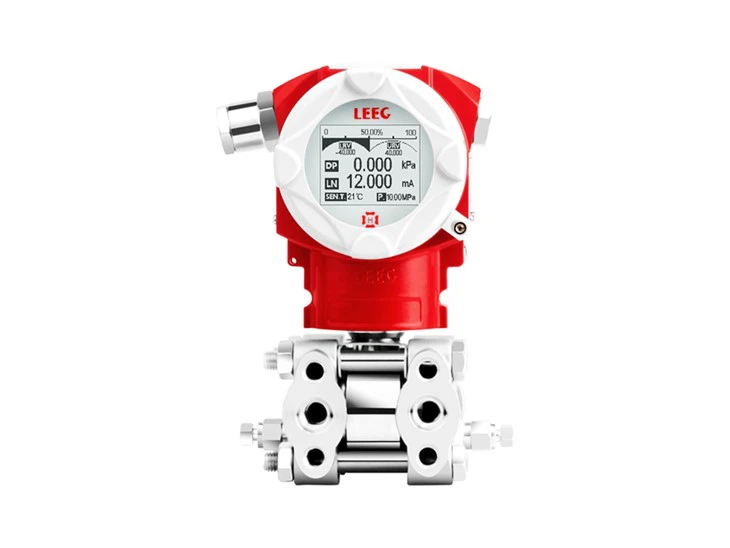
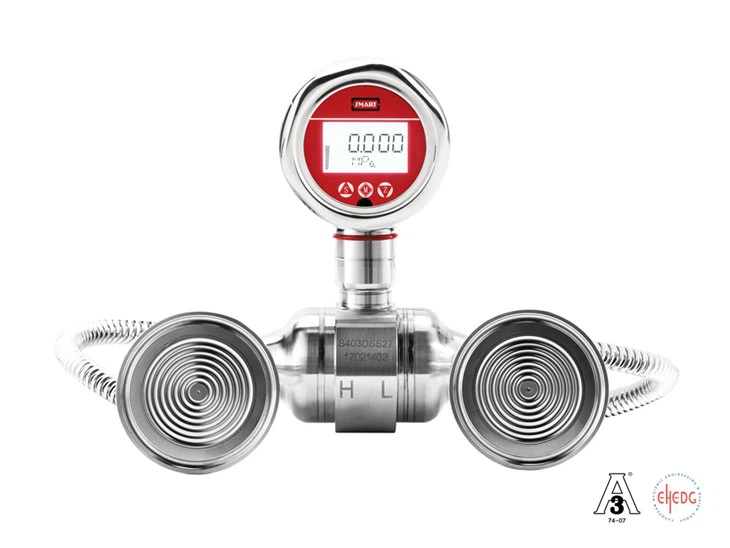
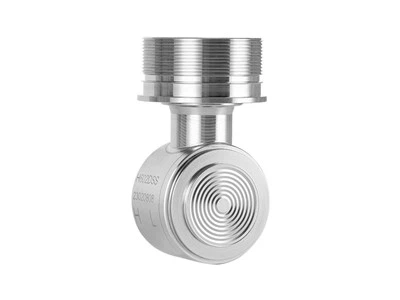
Industrial pressure transmitters are essential measurement instruments used in various sectors, including manufacturing, oil and gas, water treatment, chemical industry and many others. These devices play a vital role in monitoring and controlling processes that involve gases and liquids.

Understanding Pressure Transmitters
At its core, an industrial pressure transmitter is designed to measure the pressure of fluids (liquids or gases) and convert that pressure measurement into an electrical signal. This signal can then be transmitted to control systems, allowing for real-time monitoring and management of industrial processes.
Key Functions of Industrial Pressure Transmitters
- Pressure Measurement: The primary function of a pressure transmitter is to accurately measure the pressure exerted by a fluid. This measurement can be critical in maintaining the necessary operating conditions of a process.
- Signal Conversion: The transmitter converts this value into an electrical signal once the pressure is measured. Standard outputs are typically in the range of 4-20 mA, or in digital forms such as Modbus or HART communication protocols.
- Real-time Data Transmission: Pressure transmitters provide continuous data, enabling operators to monitor ongoing processes and make necessary adjustments in real-time to optimize performance.
- Calibration and Settings: Industrial pressure transmitters can be calibrated to suit specific ranges and applications. This ensures accuracy and reliability in various operating environments, whether under high pressure or vacuum conditions.
- Diagnostics and Alerts: Many modern pressure transmitters come with built-in diagnostic features. These can alert operators to potential issues, such as abnormal pressure readings, which can indicate equipment malfunctions or system failures.
Applications Of Industrial Pressure Transmitters
Industrial pressure transmitters have a wide range of applications across various industries:
- Oil and Gas: Used for monitoring pipeline pressures and ensuring safety in drilling operations.
- Water Treatment: Essential for maintaining pressure levels in water supply systems, preventing leaks and ensuring treatment efficiency.
- Chemical Processing: This position monitors pressure in reactors and storage tanks, which is crucial for maintaining safe working conditions and process efficiencies.
- Manufacturing: Applied in automated systems to monitor system pressures which can optimize the process.
Benefits Of Using Pressure Transmitters
The integration of pressure transmitters into industrial systems offers several significant benefits:
- Increased Safety: By constantly monitoring pressure levels, these devices help prevent overpressure situations, contributing to safer working environments.
- Operational Efficiency: Real-time monitoring and control lead to optimized processes and reduced operational costs, enhancing overall productivity.
- Data Accuracy: Pressure transmitters provide precise measurements that are critical for regulatory compliance and quality control.
- Enhanced Diagnostics: With built-in diagnostics, these transmitters can offer early warnings of potential issues, allowing for preventive maintenance and reducing downtime.
Conclusion
Industrial pressure transmitters are indispensable instrumentations in modern industry, providing critical pressure measurements that enhance safety, efficiency, and overall process control. Whether in oil and gas, water treatment, chemical processing, or manufacturing, the role of pressure transmitters cannot be overstated.
LEEG Instruments industrial pressure transmitters offer several advantages that make them a popular choice in various applications.
- High Accuracy and Reliability: LEEG transmitters are designed to provide precise pressure measurements, ensuring reliable data for critical applications.
- Wide Range of Pressure Measurement: They can measure a broad spectrum of pressure levels, accommodating various industrial needs.
- Robust Construction: Built for durability, these industrial pressure transducers can withstand harsh environmental conditions, including extreme temperatures and pressures.
- User-Friendly Configuration: Many models come with easy-to-use interfaces for configuration and calibration, reducing setup time and simplifying maintenance.
- Customization Options: They can often be tailored to meet specific industrial requirements, such as different process conditions and integration needs.
- Long Service Life: With proper maintenance, LEEG pressure transmitters can offer extended operational life, reducing replacement frequency and costs over time.
If you have specific applications in mind or need more detailed information on any aspect, feel free to ask!