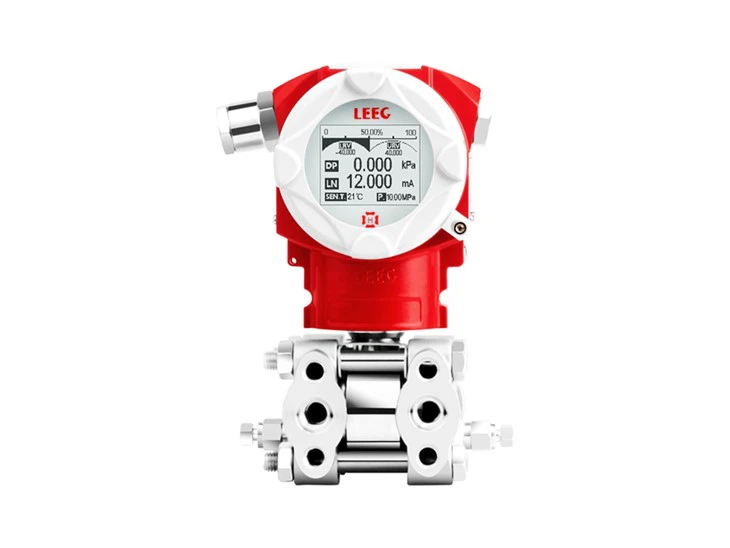
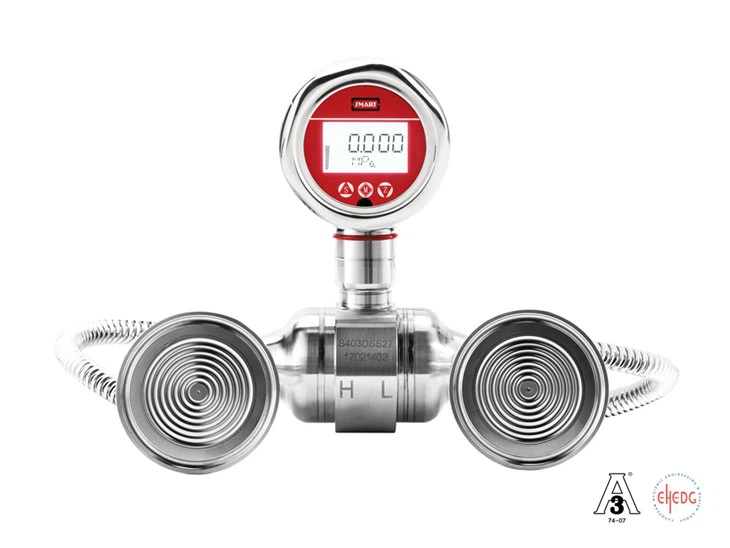
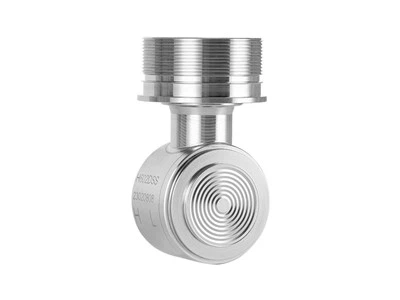
As a core measuring instrument in industrial automation control systems, the signal stability of a pressure transmitter directly impacts the safety and efficiency of the entire production process. In practical applications, unstable output signals from pressure transmitters can stem from various factors, requiring systematic analysis and troubleshooting.

Power supply quality is often the primary cause of signal instability. The complex electrical environment in industrial settings can lead to voltage fluctuations or electromagnetic interference, especially when the transmitter shares a power supply with other high-power equipment. To address this issue, it is essential to ensure the transmitter is powered by an independent regulated power supply while emphasizing the reliability of the grounding system. A proper grounding system should not only have a resistance of less than 1 ohm but also adopt an equipotential grounding method. For wiring, high-quality twisted-pair shielded cables must be used, with the shield layer grounded at a single end in the control cabinet to suppress electromagnetic interference effectively.
Mechanical vibration is another significant factor affecting pressure transmitters. When installed near vibration sources such as pumps or compressors, continuous mechanical vibration can loosen internal components or cause resonance in the sensing diaphragm. To mitigate this, multiple protective measures can be implemented: first, consider installing professional anti-vibration brackets; second, opt for specially designed oil-filled vibration-resistant transmitters; and finally, select an installation location as far away as possible from major vibration sources. For applications with noticeable pipeline pulsation, adding a pulse damper often yields significant improvements.
Process medium characteristics also play a crucial role in measurement stability. In chemical production, crystallization or scaling of the medium can directly affect the diaphragm's sensitivity. For such conditions, it is advisable to choose transmitters with self-cleaning functions or establish regular manual cleaning schedules. When measuring steam or other media prone to phase changes, care must be taken to avoid liquid accumulation in the measurement chamber. Proper installation methods (e.g., adding a condensate loop) and appropriate transmitter selection (e.g., dual-flange differential pressure types) are key solutions.
Environmental temperature fluctuations are often overlooked. Temperature variations can cause changes in the volume of the transmitter's silicone oil, thereby affecting measurement accuracy. In high-temperature environments, installing sunshades or cooling devices is necessary, while in low-temperature settings, heat tracing cables and insulation layers should be added. Selecting transmitters with a wide temperature compensation range (-40°C to 125°C) can better adapt to extreme conditions.
Electrical connection faults are another common source of problems. Oxidized terminals, water ingress in cables, or degraded insulation can all lead to signal anomalies. Regular inspections of wiring conditions, loop current, and insulation resistance are essential maintenance tasks. When testing with a multimeter, the power supply voltage should remain stable within the 24VDC ±10% range, and the loop current should correspond accurately to the actual pressure.
Improper parameter settings can also cause signal issues. The damping time setting must balance response speed and stability, typically within a reasonable range of 0.5–2 seconds. The upper and lower range limits should include a margin, generally 10% wider than the actual working pressure range. For special applications like flow measurement, attention must be paid to output characteristics, such as using square root output.
Mechanical damage often manifests as progressive failure. Slow leaks caused by aging seals may initially go unnoticed but gradually impair transmitter performance. Establishing a regular airtightness testing regime (e.g., a 0.5MPa pressure hold test) can help detect issues early. In corrosive environments, transmitters typically have a service life of 3–5 years, after which preventive replacement should be considered.
Incorrect model selection is a fundamental issue. For measuring corrosive media like chlorine, special alloy diaphragms must be used; the food and pharmaceutical industries require products with sanitary certifications; and high-frequency pulsation applications demand transmitters with fast response characteristics. Improper selection not only affects measurement accuracy but may also shorten the equipment's lifespan.
To ensure continuous and stable operation, it is recommended to establish a monthly inspection routine: check the sealing condition of junction boxes, verify output accuracy with professional calibrators, and maintain trend analysis records of operational data. For critical process points, selecting smart transmitters supporting advanced communication protocols (e.g., FF or Profibus-PA) is a wise choice, as their self-diagnostic functions can significantly enhance maintenance efficiency.
The stable operation of pressure transmitters requires a comprehensive consideration of installation, usage, and maintenance practices. When encountering persistent issues, promptly contacting the manufacturer's technical support and providing detailed operational parameters is an effective way to resolve problems quickly. Through systematic analysis and proper maintenance methods, pressure transmitters can achieve long-term, reliable performance, delivering accurate measurement data for industrial production.