In hazardous industrial environments such as oil & gas, chemical processing, and power generation, explosion-proof certification is a critical requirement for pressure and differential pressure transmitters.

1. What Is ATEX Explosion-Proof Certification and Which Markets Does It Apply To?
ATEX is a mandatory explosion-proof certification standard established by the European Union for equipment used in potentially explosive atmospheres. Any pressure transmitter installed in hazardous areas within EU member states is generally required to comply with ATEX directives.
ATEX certification is categorized according to different protection methods, with common types including flameproof enclosure (Ex d) and intrinsic safety (Ex i). This certification focuses on equipment structure, explosion-proof housing, and energy limitation.
2. What Is the Difference Between IECEx and ATEX Certification?
IECEx is a global explosion-proof certification system established by the International Electrotechnical Commission (IEC), aiming to achieve mutual recognition of explosion-proof products across different countries. Unlike ATEX, which is mainly EU-oriented, IECEx places greater emphasis on international applicability.
For export-oriented pressure transmitters, IECEx can effectively reduce repetitive certification costs and make it easier for products to enter multiple countries and regions.
3. What Applications CSA Explosion-Proof Certifications Cover?
CSA (Canadian Standards Association) are widely recognized explosion-proof certification systems in North America, primarily based on the U.S. National Electrical Code (NEC) and the Canadian Electrical Code.
These certifications typically indicate hazardous area classifications such as Class, Division, or Zone, and are suitable for industrial environments with high safety requirements.
4. What Is Intrinsic Safety (Ex i) Explosion-Proof Certification?
Intrinsic safety (Ex i) is an explosion protection method that prevents ignition by limiting electrical energy. Even under fault conditions, the energy released by the equipment is insufficient to ignite a hazardous atmosphere.
In the pressure transmitter industry, intrinsically safe products are commonly used for signal acquisition and remote measurement applications, offering advantages such as flexible wiring and convenient maintenance.
Common levels:
Ex ia (suitable for Zone 0)
Ex ib (suitable for Zone 1)
5. How Should the Appropriate Explosion-Proof Certification Be Selected?
In practical applications, more certifications do not necessarily mean better. The key is to match the certification to the actual operating environment and project requirements:
European projects: ATEX is preferred
International projects: IECEx is recommended
North American projects: CSA is mandatory
High-risk areas: Focus on Ex i or Ex d protection types

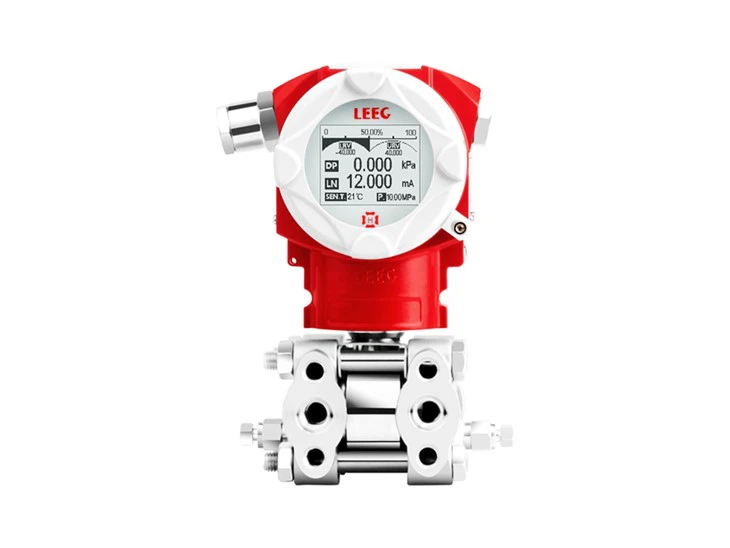
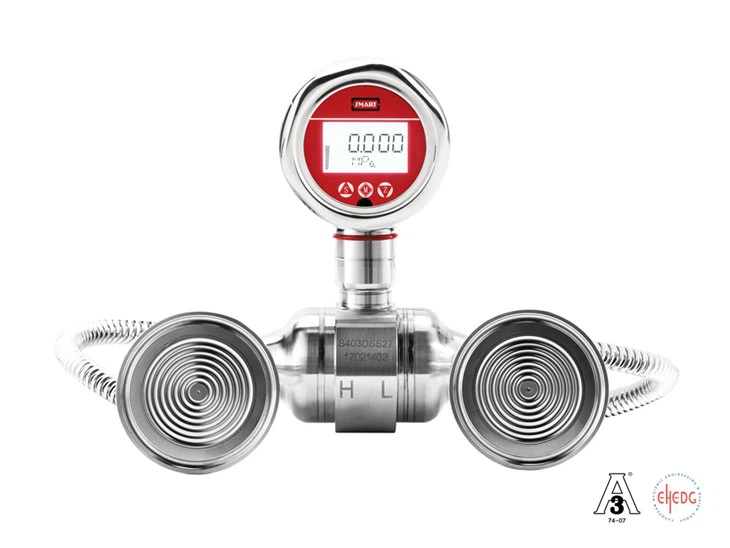
The LEEG DMP305X Series pressure transmitter is designed for such applications and supports multiple internationally recognized explosion-proof certifications, making it suitable for global projects.
Choosing the right explosion-proof certification ensures both safety and regulatory compliance while optimizing project costs. Our DMP305 series is fully certified, meets the standards of major global markets, and offers reliable, high-quality service and expert guidance to customers worldwide.