1. Project Background
XX Company is a comprehensive manufacturer of oil and gas equipment and industrial systems, integrating R&D, manufacturing, sales, and technical services. The company mainly develops and manufactures pressure vessels, petroleum equipment, environmental protection equipment, water treatment equipment, fluid equipment, and automatic control equipment. After years of development, the company has established a well-developed R&D, manufacturing, and service system, with its products widely used in petrochemical, energy, power, environmental protection, and industrial equipment applications. The company has also become a qualified supplier for several major energy and industrial groups.
As oil and gas equipment continues to develop toward automation and digitalization, customers are placing increasing importance on the reliable measurement of key process parameters such as pressure. To meet the pressure measurement requirements of the customer's oil and gas equipment and associated pipelines, pressure transmitters and differential pressure transmitters were selected according to different measurement locations and process conditions to provide continuous monitoring of critical pressure parameters.
This project involves a digital gas gathering skid. For complex operating conditions involving two-phase flow in the metering skid, differential pressure transmitters with different measurement ranges are used. Pressure transmitters are installed at key locations of the oil and gas pipelines for continuous pipeline pressure monitoring, providing stable measurement data for equipment operation, process control, and field data acquisition.
Medium: Natural gas
Temperature: 0–70°C
Pressure: 0.5–20 MPa / 2.5 MPa

2. Project Conditions
2.1 Natural Gas Differential Pressure Measurement on the Metering Skid
During natural gas production in oil and gas fields, natural gas from multiple wellheads is gathered and introduced into the metering skid, where the metering system monitors gas production and other relevant process parameters. The flow conditions of natural gas in pipelines and metering equipment can be affected by wellhead pressure, flow rate, and changes in operating conditions. Therefore, stable measurement of pressure and differential pressure is an important basis for the reliable operation of the metering skid.
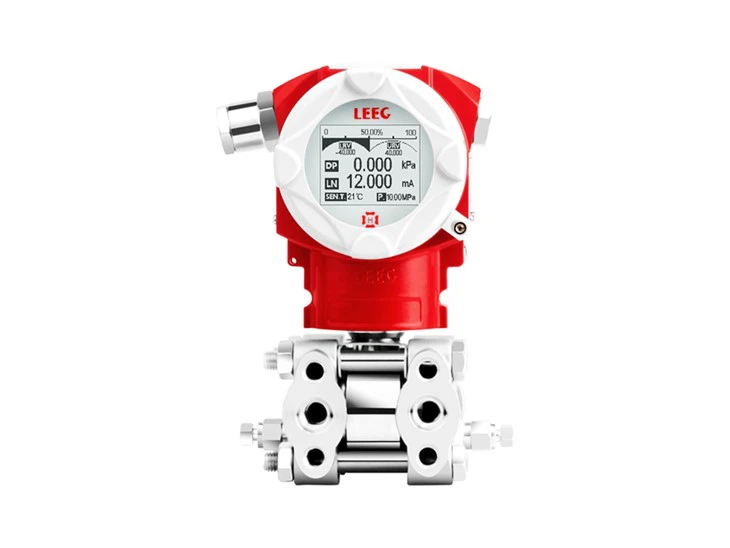
For the natural gas measurement conditions of the three-well metering skid, smart differential pressure transmitters are used to monitor differential pressure at key measurement points. Based on the process requirements of different measurement locations, two measurement ranges of 100 kPa and 500 kPa are configured to accommodate different differential pressure measurement requirements.
By continuously collecting differential pressure data from the metering system, the transmitters provide stable process measurement data for natural gas metering, production monitoring, and subsequent data analysis.

2.2 Pipeline Pressure Monitoring for Oil-Water Mixtures
During oil and gas production and gathering, produced fluids may contain crude oil, water, and other associated components rather than being a single-phase medium. As oil-water mixtures are transported through pipelines, pipeline pressure can be affected by flow rate, pipeline resistance, valve conditions, and changes in production conditions.
Therefore, pressure transmitters are installed at key pipeline locations to continuously monitor pipeline pressure and provide real-time pressure data. These measurements can support the assessment of operating conditions and provide a basis for production process monitoring and management.
3. Main Challenges in Pressure Measurement for Oil and Gas Fields
The metering skid is used for the gathering and metering of natural gas from multiple wells. After entering the metering system through different well lines, the pressure and flow conditions of the natural gas may vary with well production status, transportation conditions, and changes in operating conditions. Therefore, pressure and differential pressure measurement on the metering skid needs to consider measurement range, measurement stability, and environmental adaptability.
3.1 Changing Natural Gas Conditions Require Stable Measurement
During natural gas production, wellhead and pipeline pressure may vary with changes in production conditions. After entering the metering skid, different well lines may also have different pressure conditions.
As important parameters for natural gas metering and process monitoring, pressure and differential pressure signals require transmitters capable of responding consistently to changing operating conditions and providing continuous measurement data for the metering system.
3.2 Different Measurement Points Require Different Differential Pressure Ranges
A metering skid contains multiple well lines and corresponding measurement points. Since process conditions may vary between different locations, differential pressure transmitters need to be selected according to the actual measurement requirements of each point.
Based on the actual operating conditions of the project, smart differential pressure transmitters with 100 kPa and 500 kPa measurement ranges are configured for different measurement points. This range-based selection helps match the transmitter measurement range with the actual process conditions and provides stable differential pressure data for natural gas metering.
3.3 Natural Gas Metering Places Higher Requirements on Pressure and Differential Pressure Measurement
During natural gas metering, pressure and differential pressure are important basic process parameters. Their measurement data can be used to assess operating conditions and support the metering system.
Therefore, differential pressure transmitters need not only to meet the required measurement range but also to provide stable and reliable measurement performance during long-term operation, allowing them to adapt to continuously changing natural gas production and transportation conditions.
3.4 Outdoor Oil and Gas Field Conditions Require Good Environmental Adaptability
Metering skids are typically installed in oil and gas field environments, where instruments may be exposed to seasonal temperature variations, rain, snow, dust, and equipment vibration for extended periods.
Therefore, when selecting pressure and differential pressure transmitters, it is necessary to consider not only measurement accuracy and range but also environmental adaptability, enclosure protection, sealing performance, and installation conditions. These factors help ensure reliable acquisition of pressure and differential pressure data during long-term operation of the metering skid.

4. Application of Pressure and Differential Pressure Transmitters
4.1 Differential Pressure Measurement for Two-Phase Flow
For two-phase flow measurement conditions in the well production and metering process, differential pressure transmitters are installed at the corresponding measurement points.
Based on the actual process conditions of different measurement locations, the project uses 100 kPa and 500 kPa differential pressure ranges to meet different measurement requirements. By selecting the appropriate measurement range according to the actual process conditions, excessive range selection can be avoided, allowing the differential pressure transmitters to better match the effective measurement range and provide stable differential pressure data for the natural gas metering process.
In natural gas metering systems, pressure and differential pressure are important basic process parameters. Their measurement data can provide a reference for flow calculation, operating condition assessment, and production analysis. Some natural gas metering systems also combine pressure, differential pressure, temperature, and other process parameters for comprehensive calculations.
Therefore, the differential pressure transmitters used in this project not only monitor differential pressure changes in real time but also provide fundamental measurement data for subsequent natural gas metering and process data analysis.
4.2 Pipeline Pressure Monitoring
During natural gas gathering and transportation, pipeline pressure can be affected by gas flow rate, pipeline resistance, valve conditions, and the operating status of upstream and downstream equipment. To meet the pipeline pressure monitoring requirements of the metering skid and its associated natural gas pipelines, pressure transmitters are installed at key pipeline locations to continuously acquire operating pressure and reflect changes in field conditions.
For multi-well gathering and natural gas transportation systems, pressure measurement points can be arranged at key locations to generate continuous pressure data, providing support for production analysis and equipment condition monitoring.
Pressure transmitters are not limited to local pressure measurement. They can also convert changes in pipeline pressure into standard process signals and transmit these signals to control or data acquisition systems, enabling continuous monitoring of natural gas pipeline pressure and providing a reliable data foundation for subsequent automation and operational management.
5. Conclusion
During natural gas production and gathering, the metering skid performs functions including the gathering of natural gas from multiple wells, gas metering, and monitoring of relevant process parameters. Pressure and differential pressure are important basic parameters for the operation of the metering system. Because pressure and differential pressure conditions may vary between different well lines and measurement points, the selection of pressure and differential pressure transmitters needs to consider measurement range, measurement stability, and environmental adaptability.
For the natural gas measurement conditions of this project, a combined measurement solution using smart differential pressure transmitters and pressure transmitters was adopted. Based on the actual process conditions of different measurement points, differential pressure transmitters with 100 kPa and 500 kPa ranges were configured. Pressure transmitters were also installed at key locations along the natural gas pipelines to continuously monitor pipeline operating pressure.
Through appropriate instrument selection and measurement range configuration, the solution provides stable pressure and differential pressure measurement data for natural gas metering, operational monitoring, and process data acquisition on the metering skid. As oil and gas production continues to move toward digitalization and automation, field pressure and differential pressure data can also be integrated with flow, temperature, and other process parameters to support natural gas production analysis, metering management, and process control.