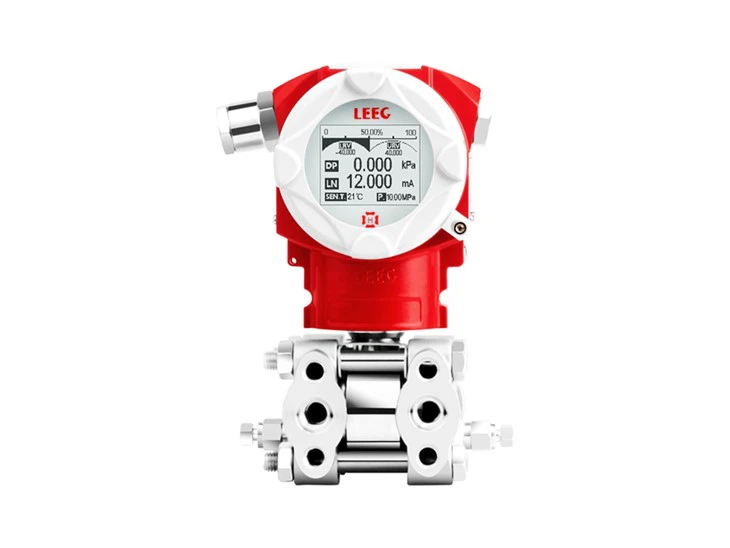
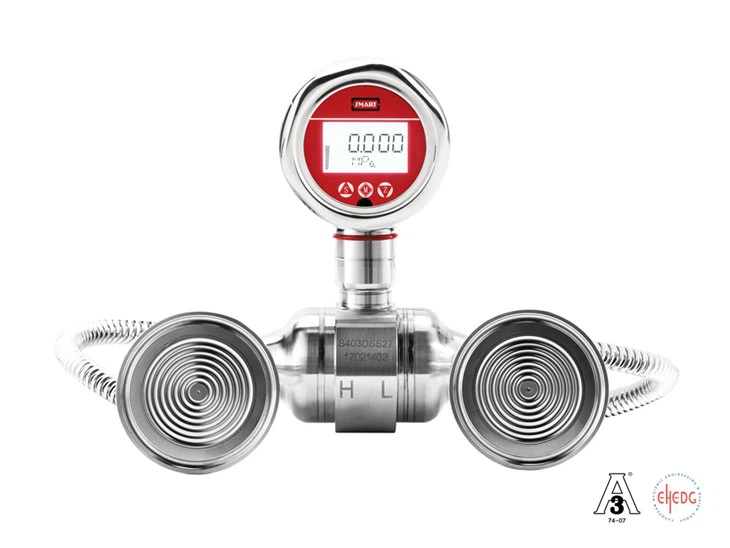
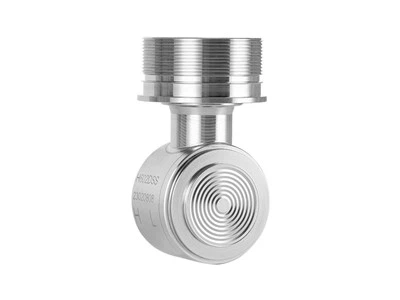
In ocean-going vessel systems, pressure transmitters play a role in ensuring and protecting navigation safety. Pressure transmitters are tasked with providing feedback and monitoring for systems such as ballast water and level management, shipboard air conditioning, ventilation, and gas systems. This article focuses on the precise monitoring and rapid adjustment of liquid levels within ballast water tanks, which directly impacts a vessel's ability to withstand rough seas, structural stress distribution, and fuel efficiency. Facing harsh marine environments, mandatory international convention requirements, and complex tank structures, specialized pressure transmitters are becoming the "core sensory organs" for modern vessels to achieve intelligent ballast management.

Application Background: Ballast Water System
Core Function: The ballast water system controls a vessel's draft, list, and trim by loading, adjusting, and discharging ballast water, ensuring stability and maneuverability during navigation. Furthermore, it helps maintain balanced structural stresses on the hull under varying cargo and sea conditions and meets relevant environmental protection and maritime safety regulations.
The Irreplaceability of Pressure Monitoring:
- Safety Lifeline: Real-time liquid level data is crucial for stability calculations and preventing capsizing; it monitors flooding rates in case of damage, buying time for emergency decisions.
- Structural Protection: Prevents localized hull stress from exceeding limits due to single-tank overloading or empty tank sloshing (complying with standards like URS34).
- Regulatory Compliance Foundation: Meets SOLAS convention mandatory requirements for continuous liquid level monitoring and high/low level alarms.
- Energy Efficiency Optimization: Optimizing ballast water distribution can reduce sailing resistance, lowering fuel consumption (approximately 3%-8%).
- Highly Corrosive Environment: Long-term exposure to seawater, high humidity, salt spray, and potential presence of harmful gases like H₂S in tank atmospheres.
- Complex Media: Ballast water containing silt and microorganisms, which may cause sedimentation and blockage.
- Explosion-Proof Requirements: Some areas require meeting Class I, Div 1 explosion-proof ratings (e.g., compartments adjacent to pump rooms).

Failure Risks of Generic Pressure Sensing in Ballast Tank Applications
Targeting the specific needs of ballast water systems (e.g., level transmitters, pressure transmitters, intelligent pressure transmitters, electromagnetic flowmeters), safety barriers are built through core technologies:
Precision Monitoring
High-Accuracy Stability Data: ±0.2% FS accuracy (static), with optional dynamic motion compensation algorithms, ensuring reliable liquid level data during vessel rolling.
Corrosion Resistance & Vibration Withstanding
Superior Corrosion Resistance: Wetted parts utilize Hastelloy C diaphragms, thereby extending service life.
Intrinsic Safety Explosion-Proof: Standard CSA Ex ia IIC T6 certification, with optional Class I Div 1, suitable for installation in hazardous areas like those adjacent to pump rooms.
Addressing Sedimentation & Blockage
Flush-mounted diaphragms directly contact the medium, eliminating impulse lines and the risk of blockage.
Slightly convex diaphragm surface design slows deposition, paired with optional flushing valves for online cleaning.
Typical Ballast Tank Monitoring Point
1. Tank Bottom Level Monitoring: Real-time transmission of individual ballast tank levels to the bridge/engine control room (core source of stability data).
2. High/Low Level Alarms: Trigger audible and visual alarms to prevent tank overflow or empty tank sloshing impact.
3. Ballast Pump Control: Provide level feedback signals for pump start/stop operations.
4. Flooding Detection: Alarm for abnormal liquid level rise in non-ballast tanks (e.g., void spaces, forepeak tanks).
5. Ballast Water Treatment System: Monitor differential pressure across filters to protect treatment units.