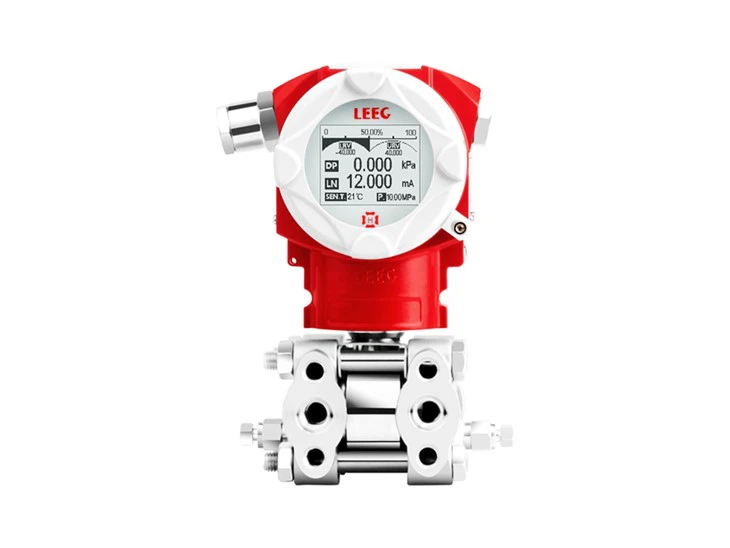
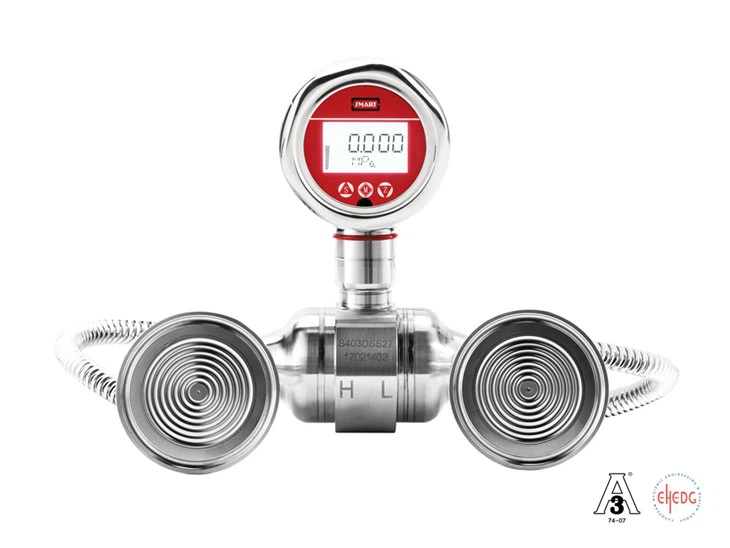
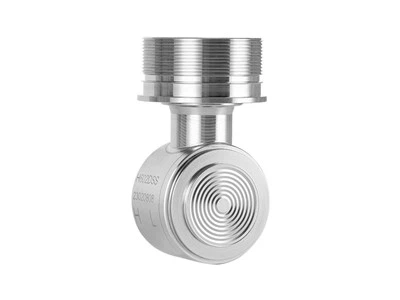
The gas industry encompasses multiple stages, including natural gas extraction, transportation, storage, and end-user refueling. Each stage requires precise monitoring of key parameters such as pressure, differential pressure, liquid level, and temperature to ensure safe operation, improve energy efficiency, and meet trade measurement requirements. Pressure transmitters, differential pressure transmitters, submersible level transmitters, and temperature transmitters serve as core instruments, playing vital roles in gas production, transportation, and refueling processes. This article provides a detailed introduction to the specific applications of these transmitters in gas extraction, gate stations, and refueling stations.
Applications in Gas Extraction
During natural gas extraction, real-time monitoring of pressure, temperature, and flow is essential for wellheads, gas gathering stations, and compressor units to ensure stable production and equipment safety.
Pressure Transmitters:
Used to monitor wellhead pressure, gas pipeline network pressure, and compressor inlet/outlet pressure to prevent overpressure or insufficient pressure from affecting production.
Differential Pressure Transmitters:
Primarily used for monitoring pressure drops in filtration and separation equipment (e.g., gas-liquid separators, dust removers) to detect filter clogging and ensure gas purification efficiency.
Temperature Transmitters:
Monitor natural gas temperature to prevent pipeline freezing or equipment damage caused by throttling effects (e.g., sudden temperature drops during pressure reduction).
- Submersible Level Transmitters:
Measure condensate water or lubricating oil levels in gas-liquid separators or storage tanks to prevent liquid from entering downstream pipelines.
Applications in Gas Gate Stations
Gas gate stations serve as critical nodes connecting long-distance pipelines with urban gas distribution networks, performing functions such as pressure regulation, metering, odorization, and safety control.
- Pressure Transmitters:
Monitor inlet high-pressure gas and outlet regulated pressure to ensure stable pressure regulation and prevent overpressure or underpressure from affecting downstream users.
- Differential Pressure Transmitters:
Used for filter pressure drop monitoring to determine filter replacement needs. They also work with pressure transmitters in orifice flow meters to calculate gas flow rates.
- Temperature Transmitters:
Provide temperature compensation for natural gas to ensure accurate flow measurement (gas volume varies with temperature).
- Submersible Level Transmitters:
If the gate station has storage tanks or gas-liquid separators, they monitor liquid accumulation (e.g., condensate water) to prevent liquid from entering the urban pipeline network.
Applications in Refueling Stations
Refueling stations (CNG compressed natural gas stations and LNG liquefied natural gas stations) are the final stage of the gas supply chain, primarily serving vehicle or industrial users.
- Pressure Transmitters:
Monitor storage cylinder groups, compressors, and dispenser pressure to ensure safe refueling and prevent overpressure leaks.
- Differential Pressure Transmitters:
In LNG stations, they monitor the inlet/outlet pressure difference of cryogenic pumps to ensure proper pump operation.
- Temperature Transmitters:
In CNG stations, they monitor gas temperature to avoid measurement inaccuracies due to high temperatures. In LNG stations, they monitor storage tank temperatures to prevent evaporation losses.
Submersible Level Transmitters:
Provide real-time LNG tank level monitoring to prevent overfilling or empty tanks while calculating remaining gas volume using temperature data.
Conclusion
Throughout the gas industry's extraction, transportation, and refueling processes, pressure, differential pressure, level, and temperature transmitters are critical for ensuring operational safety, optimizing energy efficiency, and enabling precise measurement.
Gas Extraction: Focuses on wellhead pressure, separator liquid levels, and gas temperature.
Gas Gate Stations: Emphasizes regulated pressure, filter differential pressure, and temperature compensation for trade metering.
Refueling Stations: Key parameters include storage tank levels, refueling pressure, and cryogenic temperature control.
With the development of smart gas systems, these transmitters are increasingly being integrated into SCADA systems, enabling remote monitoring and data analysis to further enhance automation and operational efficiency in the gas industry.